Whoodley woot woot! I just finished putting together my fall look book for sessions! (You can see all the magic here.) I’m so excited about the little micro collections I built. Each one has its own particular style and palette. It’s difficult to describe the ways that color, texture and pattern interact well, so showing is perfect. I’m so thankful to have an Amazon Influencer account that lets me create this amazing resource.
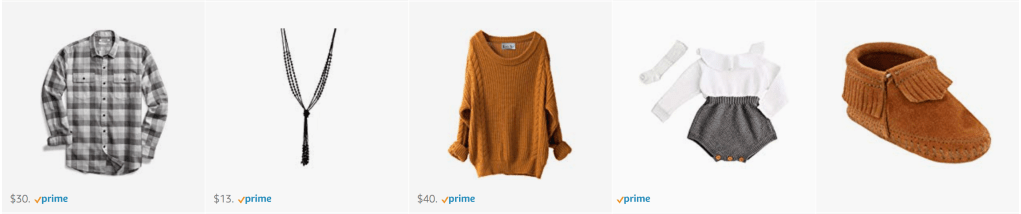
The most important concept to me while I was building these little family collections was sprezzatura–a certain effortlessness of style. I tried to to include an unexpected element in each to make them as utterly unique as each family I meet. I’m not aiming to have someone buy these collections as they are and wear them, although anyone certainly may do. What I really want to do is inspire creativity in a way that introduces some fresh perspective and authentic personality to the family wardrobe game.
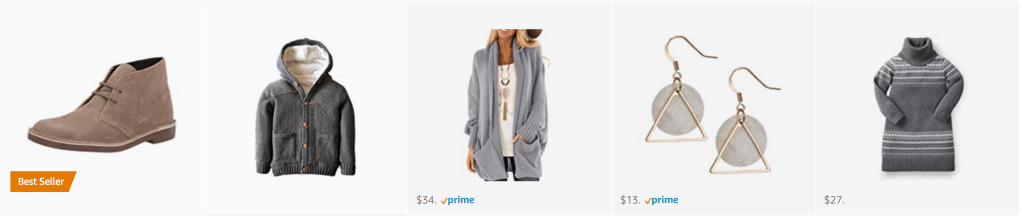
Let’s be totally transparent here. Amazon’s Influencer program is all about sales, right? I do get a few pennies in the jar each time someone uses my shop. Some day I might make enough off of this to buy an extra battery for my camera. But I’m not a merchant, I’m a photographer. I’m not doing this to make money on clothing sales. It’s just a phenomenal tool to communicate ideas, and to help my clients plan and get excited for their sessions. It’s like Pinterest, only it’s on Amazon, so if you love something you can just add it to your cart. And most of it is inexpensive. What could be more awesome?!
Anyway, I digress. Here are a few thoughts about dressing your family for your fall session.
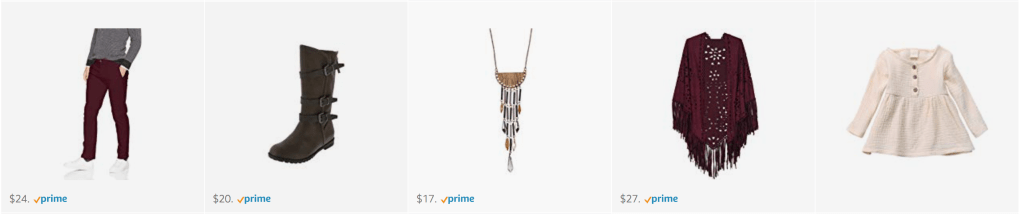
First of all, it’s ok to let each individual personality shine through. If everyone has a different style, you can unify the look through color or texture. Don’t worry about your teenager’s eccentricity too much. If one of your kids is a book worm and the other is an athlete, go with it. Everyone doesn’t have to be wearing cookie cutter Sunday Best for the pictures to be fantastic. I tried to show in these little collections how different aesthetics can mix well in the same group. Because every family is a little eclectic, right?
If you’re not formal in your everyday life, there’s no reason to “dress up” for your session. The images will be much more authentic if you dress in a way that’s comfortable to you. Make your look special by adding a bold accessory or two rather than stepping up the level of formality in the clothing itself.
The best way to make a sure-fire success of your family’s look is to choose either a warm or cool neutral palette, and then include a pop or two of one color (bonus if it’s subtle or timely). When I say a pop or two, I don’t mean per person. I mean per group. Only one or two people should have the color on, and the rest should be all in neutrals.
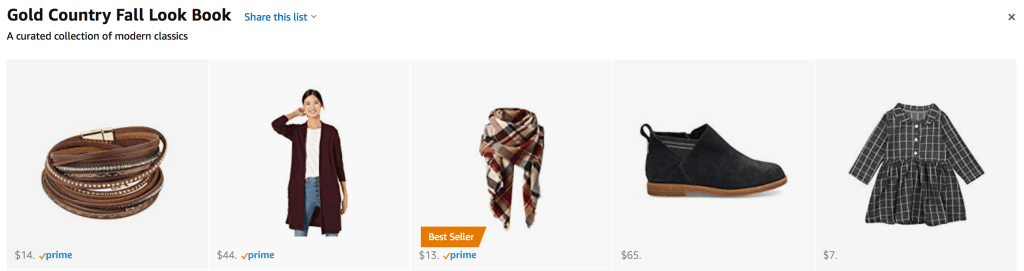
Use pattern with extreme caution. If there will be more than one pattern (even if it’s the “same” pattern, like two plaids), then only one of the patterns should have non-neutral color, and the neutrals need to coordinate.
Of course there are exceptions to every rule, and these aren’t even rules to begin with. The whole point is really to say, “yes, you can use color!” and, “yes, you can use pattern!” as long as you use them in a way that supports rather than detracts from the impact of the people themselves.
So, dive in, enjoy, and share your thoughts with me about the whole process! What do you think of the pattern mixing? What do you think of the style mixing? Would you do it?
 Reflecting On Light