
Plato explored the notion that all things exist as copies of their ideal forms–theoretical blueprints of sorts. I imagine this is something people have mulled over in various forms throughout human history. As Plato’s ideas developed over time through the lens of other minds’ eyes, it became more common to think of these universal forms as ideas, and less common to think of them as actual objects existing on another plane of reality.
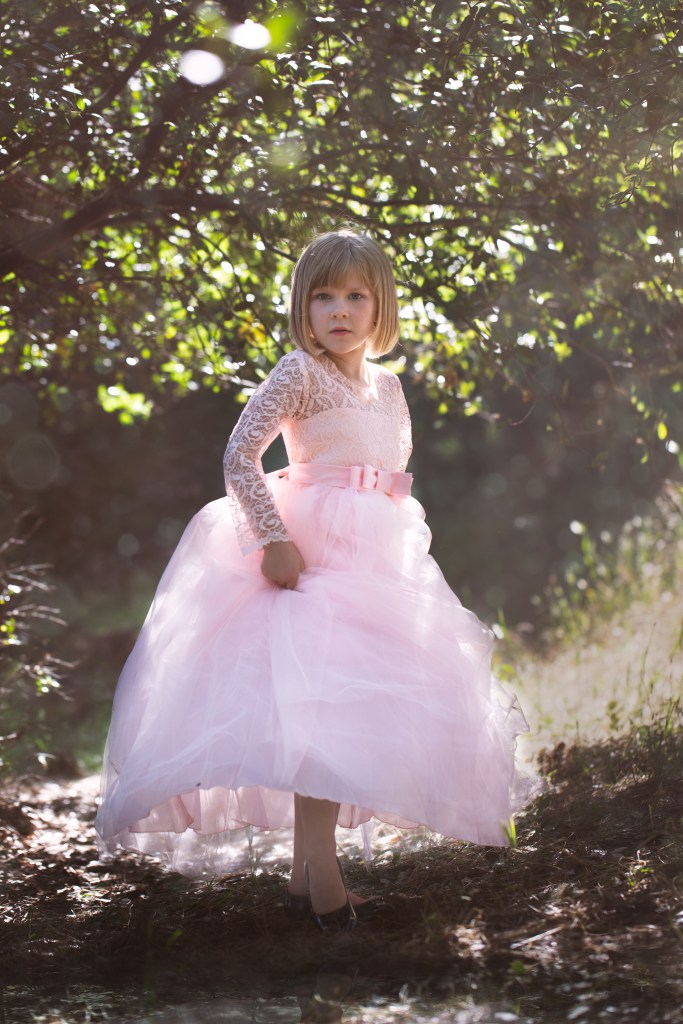
I read about Plato and his Theory of Forms when I was young, and it brought my attention to how I tend to perceive the world based on ideal forms, sometimes at the expense of reality. This is especially interesting when applied to my perceptions of people, and this may be why artistic portraiture is so compelling to me.
When I think about the people around me, I see their essence first. I’m very aware of the core of their selfness. People’s actual physical aspects are secondary to me, by a wide margin. I often find myself surprised when I see a photograph for the first time of someone I’ve only met in person. The photograph will look so different to me than the person I met. Without the actual personhood present, I notice a lot of the physical characteristics for the first time. Kind of strange? It feels strange.
Normal or not, this mode of perception informs how I shoot and process my own photography. This is my lens. I want to photograph who a person is much more than I want to photograph what a person looks like. This can be tricky sometimes, but I find it’s actually easiest with people who say they hate pictures or that they’re not photogenic. I find that those people don’t have a practiced barrier in place for me to get through before I can see who they really are.

When I’m processing, I’m looking to take away anything that distracts from who that person is at the utter depth of the soul. I want everything around that person to support the message, “look how amazing this person is.” There are a lot of little physical distractions we all deal with day to day. Many little details deviate from what we would consider our ideal form of self; but who we really are is our ideal, and that’s what I see when I look at people. I think of people at their best, and I create that image from my own perspective.
Seeing your own self this way is transformative.
When a portrait is about who a person is, it can’t help being beautiful–it really can’t. We’re all weird in our own particular idioms, and that is utterly fascinating. So if there’s one thing you can take away from this read, and especially from your session if I ever get the honor of working with you, it’s this: you–the real you, as you are–are just what you should be, and you shouldn’t be anything else.



 Reflecting On Light
In how you perceive people, I do not think you are that far from the idea of ‘agape’.
LikeLiked by 1 person
I’m not familiar with that, I’ll have to do some reading!
LikeLike