Working With Kids And Animals

“Never work with kids or animals”…said so many people, always, forever…..

But kids are my wheelhouse, and there’s nothing cuter than kids with animals! I see their point, though. Kids=chaos. Animals=chaos. Kids x Animals = whoa…….

Sessions with kids and animals can be super cute and fun! For little kids though, it can end up being more of a lifestyle session than portraits. That’s fine if it’s what you’re after! I’ve been enjoying doing some animal composites this season though, and I’m finding the results are sometimes a bit more magical than the real deal could have been.
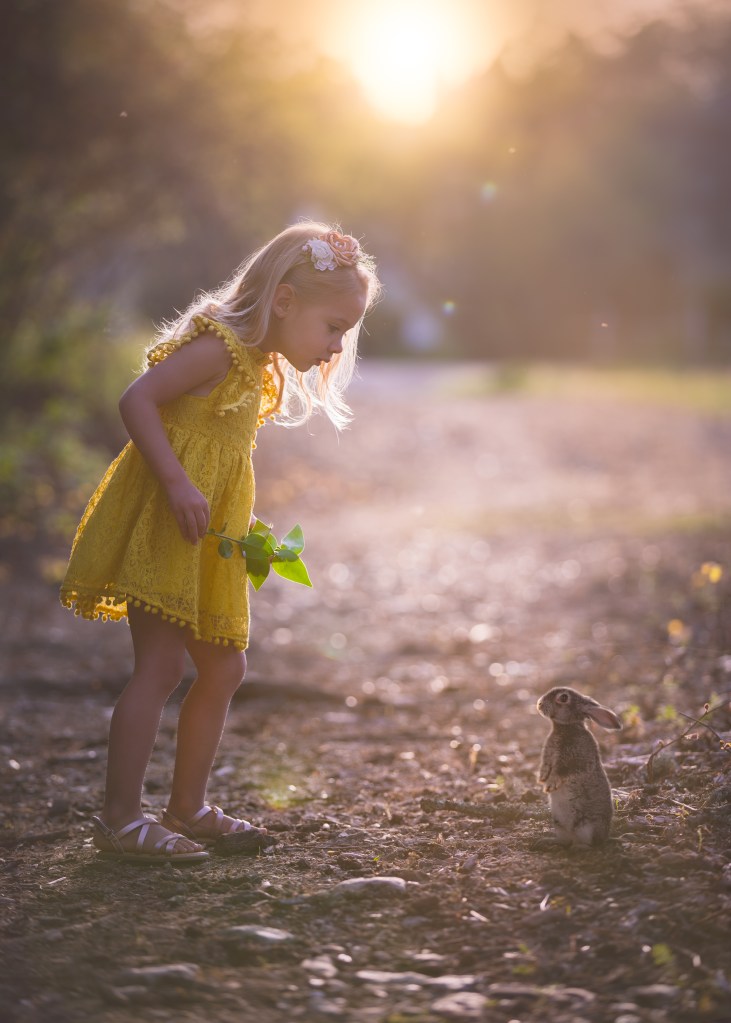
girl and rabbit meet at sunset
Could this kind of calm, thoughtful interaction really happen outside of fairy tales–no less in front of an audience of kindly coaching parents and an imposing camera lens?

I shared this image (the girl in the yellow dress) on the Relish Facebook page, and I received a handful of requests for similar shoots. Folks were disappointed when I told them, “yes we can do this, but just so you know, there wasn’t really a bunny at the shoot!” I get it–it’s a super cute thought to see your kids get to play with a real bunny and have pictures of that. But in reality, that situation can be more stressful than cute. A real bunny can easily get scared and run away. She needs careful, gentle treatment, and may get nervous and nibble fingers or have an accident on that beautiful little dress. When real animals are in the shoot, I find that tensions can run high.
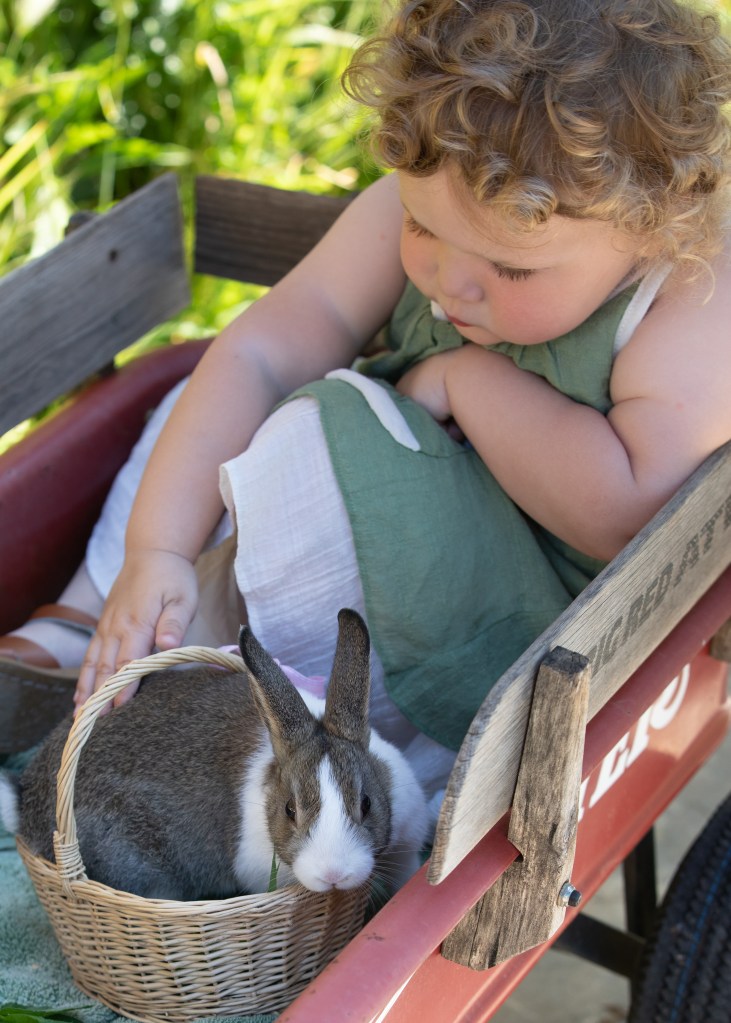
With a real bunny, we had to be confined to make sure she didn’t get lost, and both bunny and child were in constant motion. Daddy was trying to keep Evi from standing up and the bunny from jumping out of the wagon.

My daughter got a bunny this spring and I wanted to do a photoshoot for Easter. I made a nice flat spot in a grassy planter for her to hold the bunny. I set up my reflector. But I put her in the grass and she pitched a fit. She didn’t want to sit in the planter. The bunny climbed up the grass and wanted to chew on the tree bark. It was not picturesque. Plan B was putting them both in the wagon–not my vision for a nice color palette, and I had to quickly improvise the backdrop by changing my angle to something less than ideal. The bunny ate grass, and Evi petted her. It was cute. Super cute.

But these shots have barely a hint of the aura of wonder I was able to create in that first image, where I didn’t have to worry about the bunny escaping, and the little girl could be given a simple task without being distracted by the erratic activity of a live animal.

I asked that sweet little girl to look for ants in the bright yellow leaves that the sun was backlighting. She was calm. It was mellow. When I got home, I saw that shot and thought “that’s a perfect spot for a bunny!” …I had a perfect pose from her, and I was able to blend in a bunny in a perfect pose, in a perfect position.
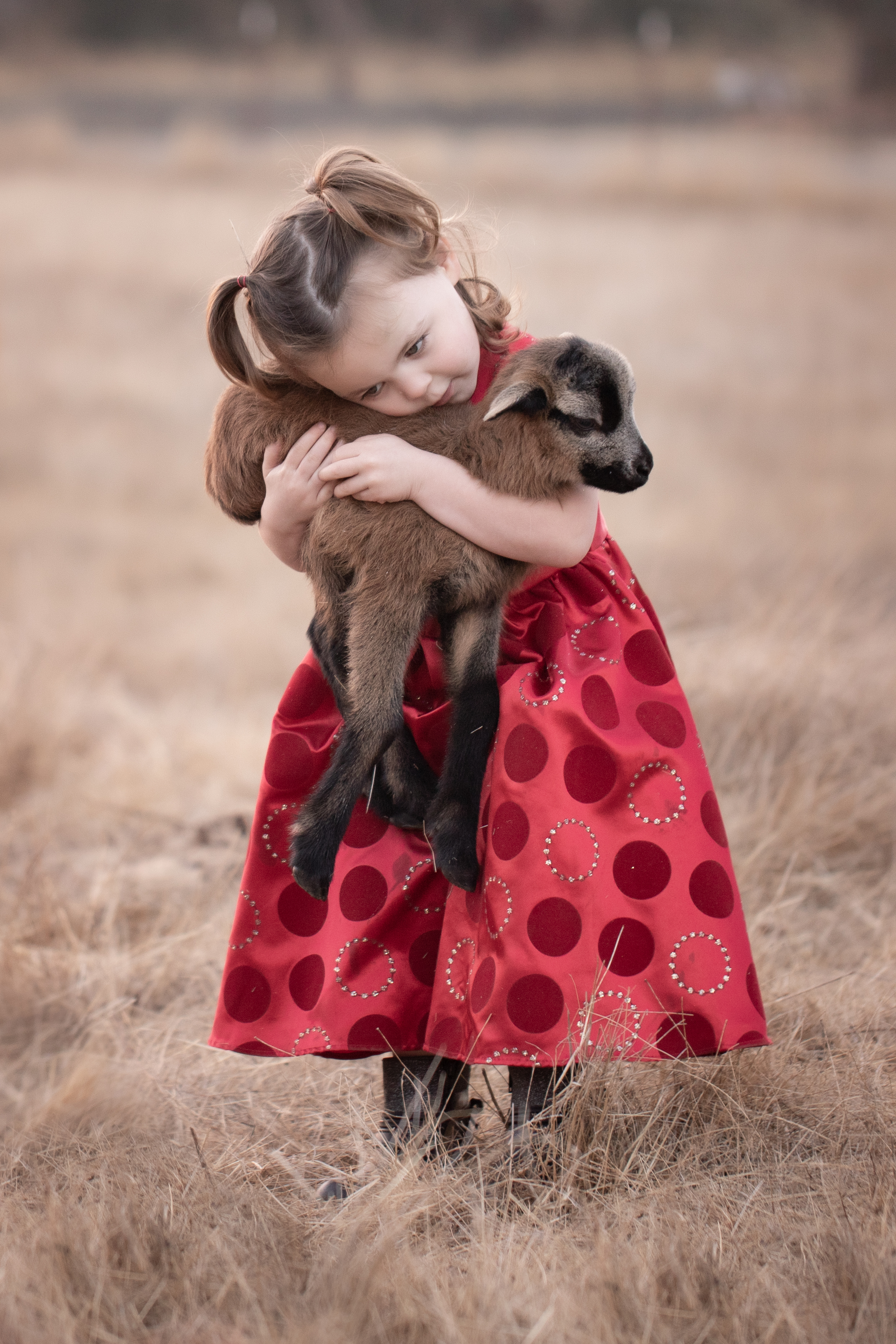
I love this lifestyle image of a little girl with her new baby sheep. Images like this have more of a documentary feel, and are a lot more difficult to achieve with smaller animals.

So… yes, we could bring a bunny out for little kids’ sessions. I do have a real bunny, and she’s super sweet and friendly. But it wouldn’t be very fair to that timid little creature. The reality of live animals in a session is a lot more chaotic and less picturesque than it plays out as in the mind’s eye. I’m not saying I’ll never do it–I gladly will any time if folks have their own animals they’d like to include! But to make something like the really magical composite above, I need to be able to have more control than a real “kids x animals” experience can usually give.

Even when the animal really was at the session, those shots are also often composites. The animal and the child so rarely do the right thing at the same time that I often blend multiple shots to create one final image. With over 20 years’ experience with Photoshop and photography, I can create a full composite that is even more magical, and nobody has to get tinkled on.
Understanding Image Quality: Exposure

What is the recipe for great image quality? How do you know it when you see it? I’ll be writing a series of posts over time to delve into this in a way anyone can understand. The short answer? Great images are made by leveraging adept knowledge on powerful equipment to uplift free-spirited creativity.

I want to take a little time to explain some different aspects of image quality in a way that’s not too technical for non-photographers to follow.

The low-quality samples in my proofing don’t show the depth of detail in the final images. That’s part of the reason I’m writing this post! The image quality I explain here is the image quality you can expect from every one of my galleries. I work in accordance with the standards established for commercial photography by Adobe Stock and Getty Images, and branch out artistically from that starting point. If for some reason I ever couldn’t deliver that on a session, I would offer a complimentary reshoot rather than deliver those images.

Poor Quality: Background
Exposure Issues

There are many factors that make up the prevailing assessment of image quality. In portraits, focus should be sharp on both eyes. Exposure should be correct. The image should be free of excessive artifacts like noise, dust, chromatic aberrations, and color separation. There are times to break the rules, and I’m happy to do it for good reason. But quality standards exist to help us create the most rich, real, and beautiful images the state of our art will allow.

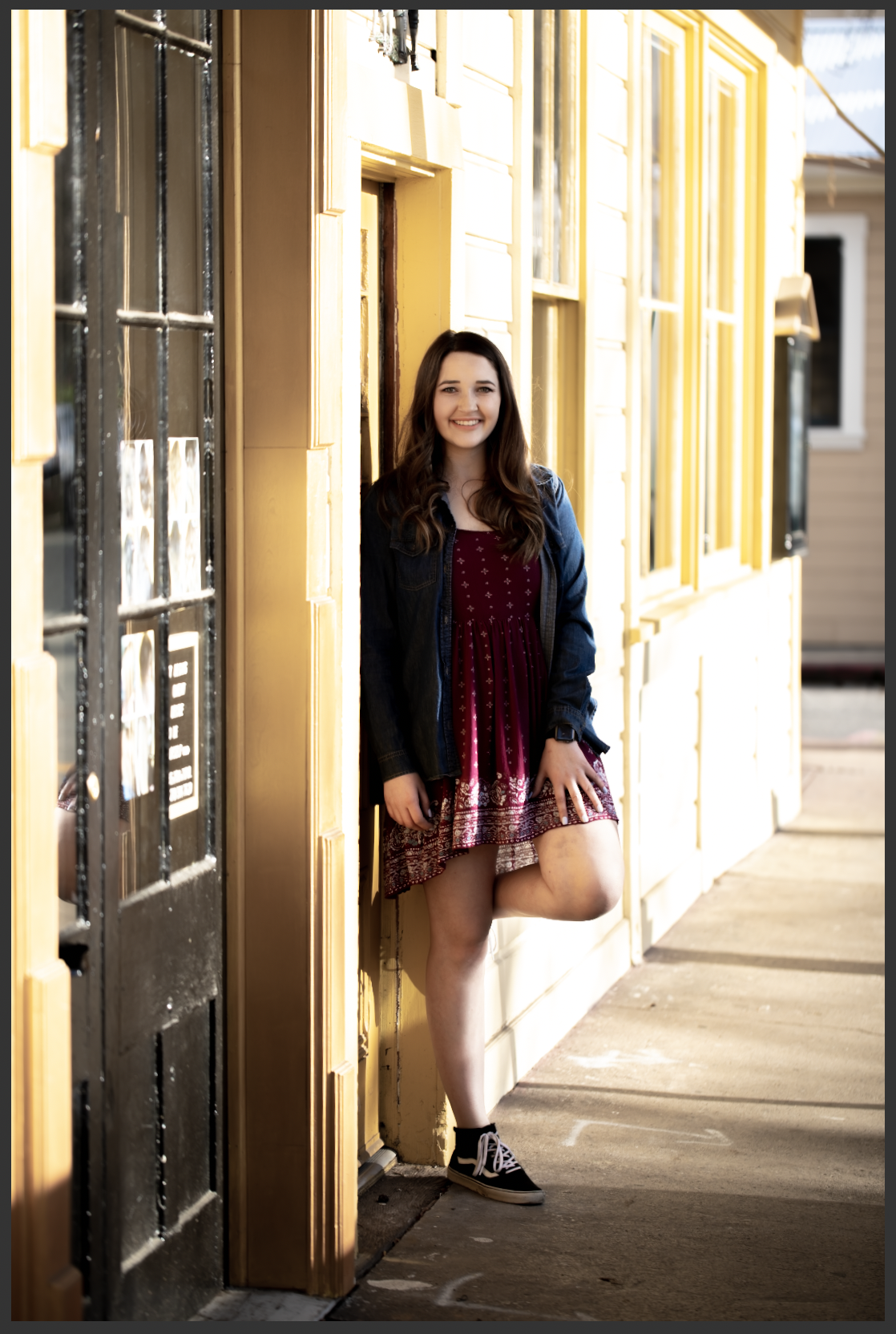
To put it more plainly, here’s a poor quality image. The highlights are clipped–see how the side of the building is white where it seems like it should probably be yellow? Those parts of the image are so overexposed that the camera’s sensor recorded no detailed data. The same thing happened in the shadows here. There are no details in the blacks.

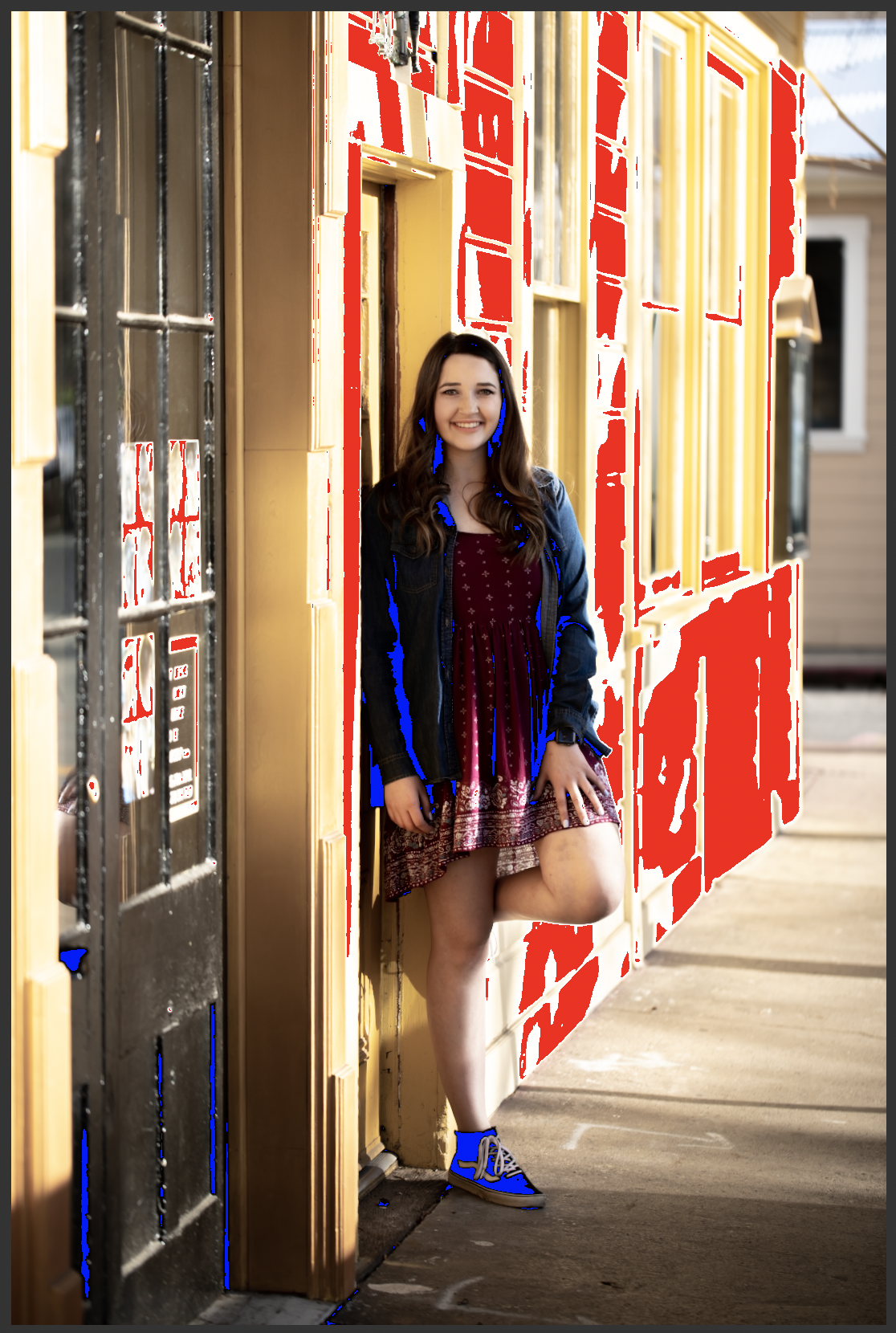
Highlight Clipping: BIG RED NO!

It’s kind of like when you walk into the sun from a dark room and you can’t see anything until your eyes adjust. You’re not capable of seeing both the extreme dark and the extreme light at the same time–you have to adjust for one or the other. In the same way, this scene went outside the range of what my camera could capture.

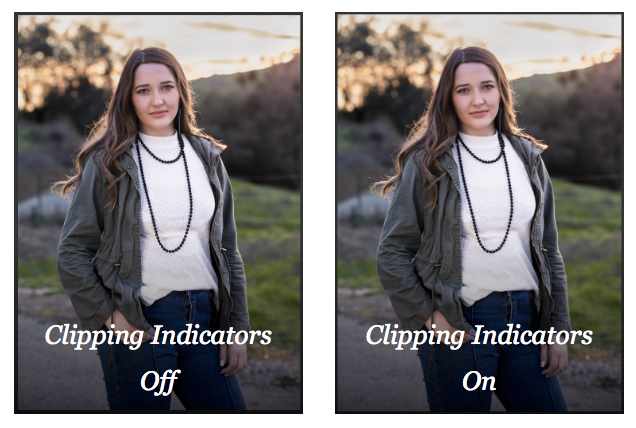
The next image shows what the same shot looks like to me when I’m processing. The red is Lightroom’s highlight clipping indicator, and the blue is the shadow clipping indicator. I don’t turn these indicators off when I’m working. A quality image should look identical whether they are on or off.

I’ve also shared an example of a successful image side by side with the clipping indicators on and off. There’s no difference between the with and without indicator images. Even though this image was also shot in dramatic light, there is no clipping anywhere–detail was captured throughout the entire frame.

The takeaway is that protecting the quality of the entire frame is essential to making the most beautiful image possible.

Professional photographers not only recognize image quality issues, but they also have in-depth technical knowledge of the equipment they use, and are able to push its capabilities to the limits–or even beyond, with a measure of ingenuity and strong post-processing skills.

Dream Big Dreams

See that it’s possible.

I feel pretty lucky that I was born to live in this time. The age of global information brings a lot of new complications to our lives, but it also allows light to fall on a lot of things that used to stay in shadow.

When I was in college, I was the first woman to arrange music for our University’s marching band. A friend was the first female drum major. When we were kids, the band didn’t allow female members at all.

We blazed through these firsts without giving them much thought, and that is amazing. We didn’t feel like pioneers, it just felt normal. Thank goodness for change! It has become much more widely accepted for all of us to follow our hearts, even if we don’t fit the traditional mold.

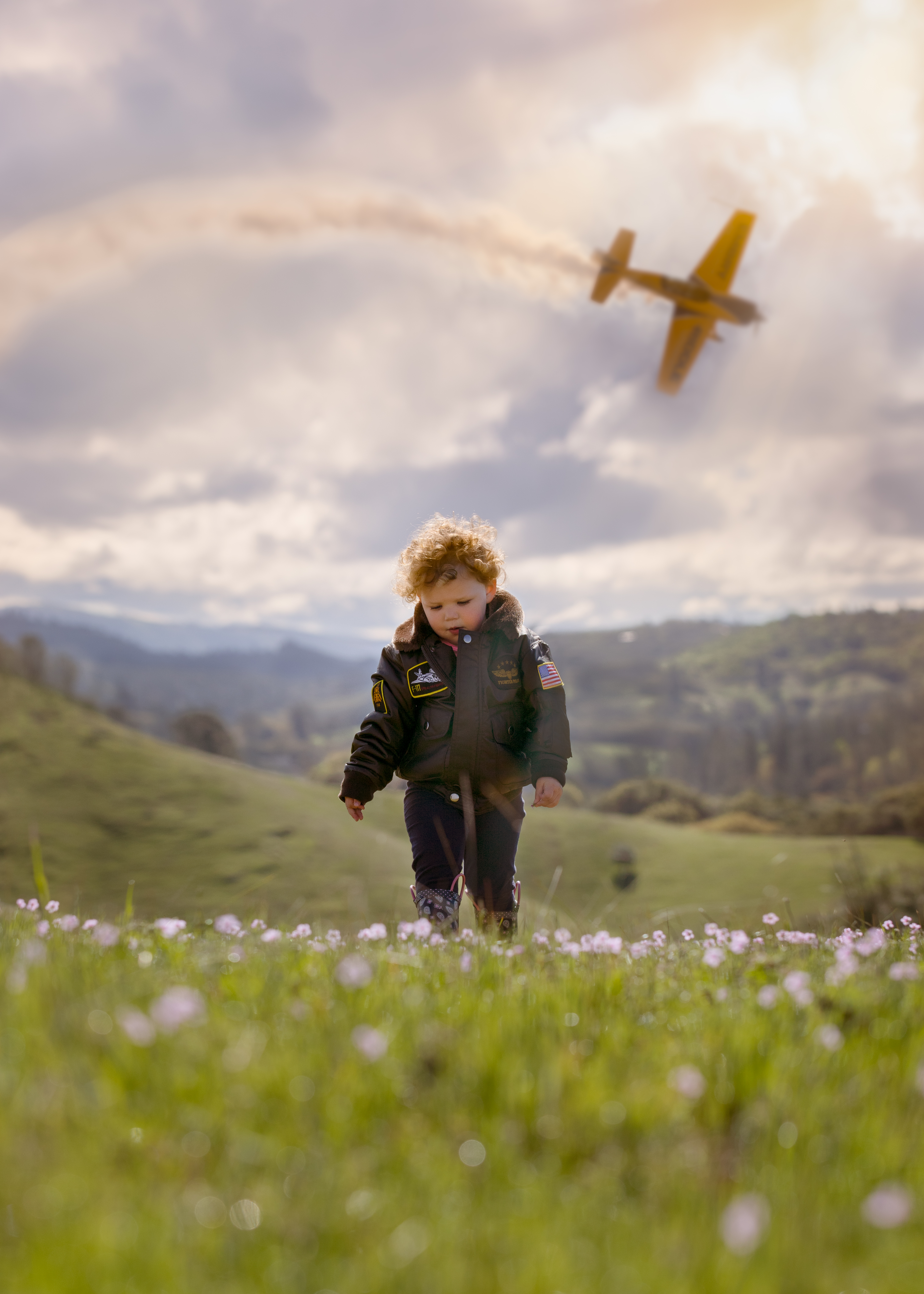
My little daughter is in love with airplanes. When she goes out wearing her tiny bomber jacket, people call her a cute little fella. Female pilots are still considered somewhat remarkable–women aerobats actually compete separately from men even now.

So, we watch a lot of documentaries about women pilots and we go to air shows whenever we can. I want her to know that people like her can do that–that it’s not reserved for someone else. Maybe as she grows older, her interests will change. But we’ll always be there to support her vision and help her find ways to follow her ambitions, even if there’s no example before her to follow.

Times keep steadily changing, and by the minute, it becomes less and less remarkable for anyone to do just about anything they want to do. It’s pretty exciting. And knowing where we came from, I’m so happy when I can lend a little boost to help her envision herself following her dreams.

“She believed she could, so she did…”

Giving The Gift of Legacy Photography to your Parents and Children

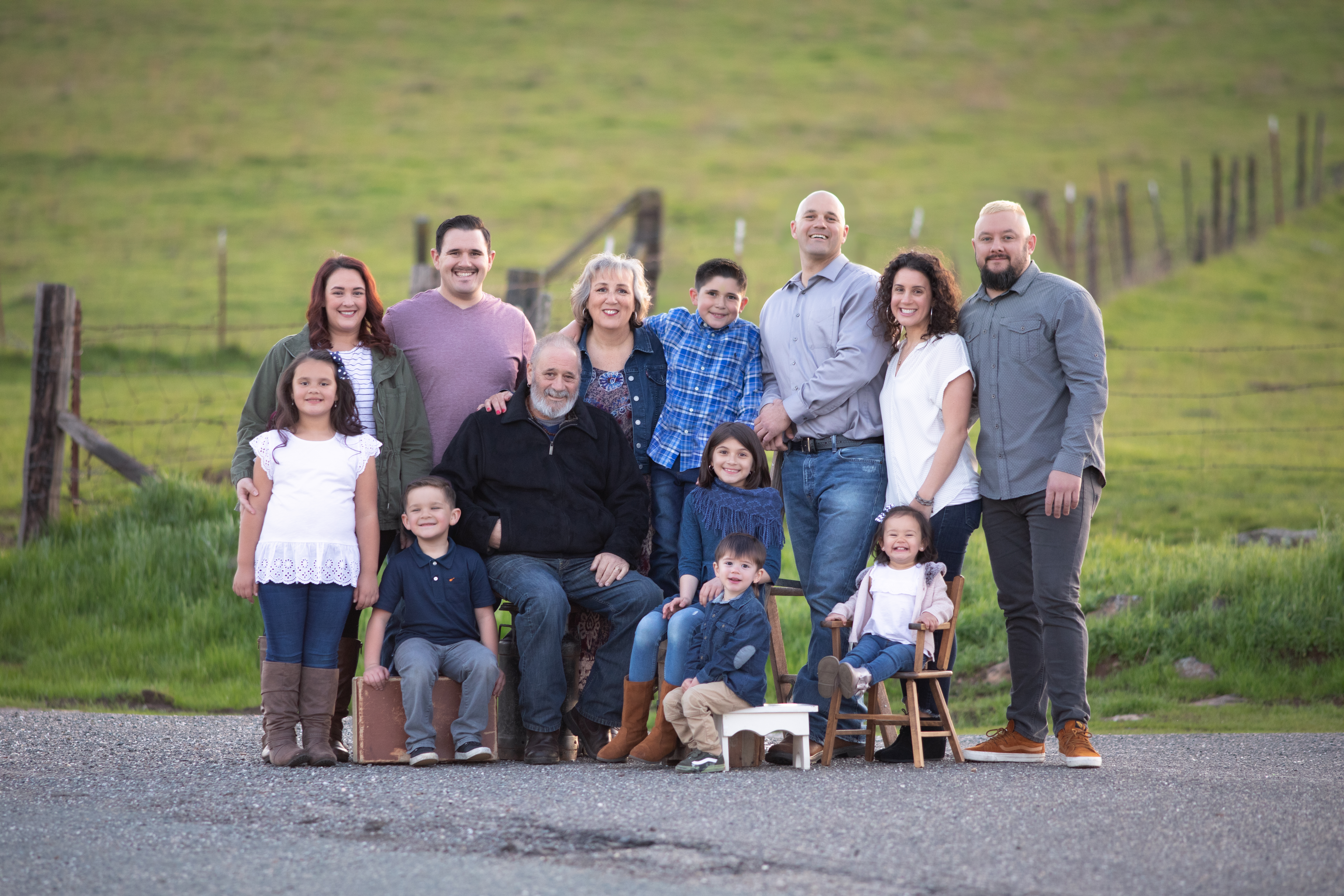
a large family portrait session in amador county, California by Relish Photography
A recent Relish family legacy session

Day to day we all go along, busy, immersed, often overtaxed. We take a lot of snapshots. We give lots of hugs. Maybe not as many as we’d like. If we’re lucky, a lot of people lean on us for what they need to get through life, and if we’re REALLY lucky, they’re there for us to fall on when we need it, too.

Family, right? We love them and they drive us crazy. But they’re always there.

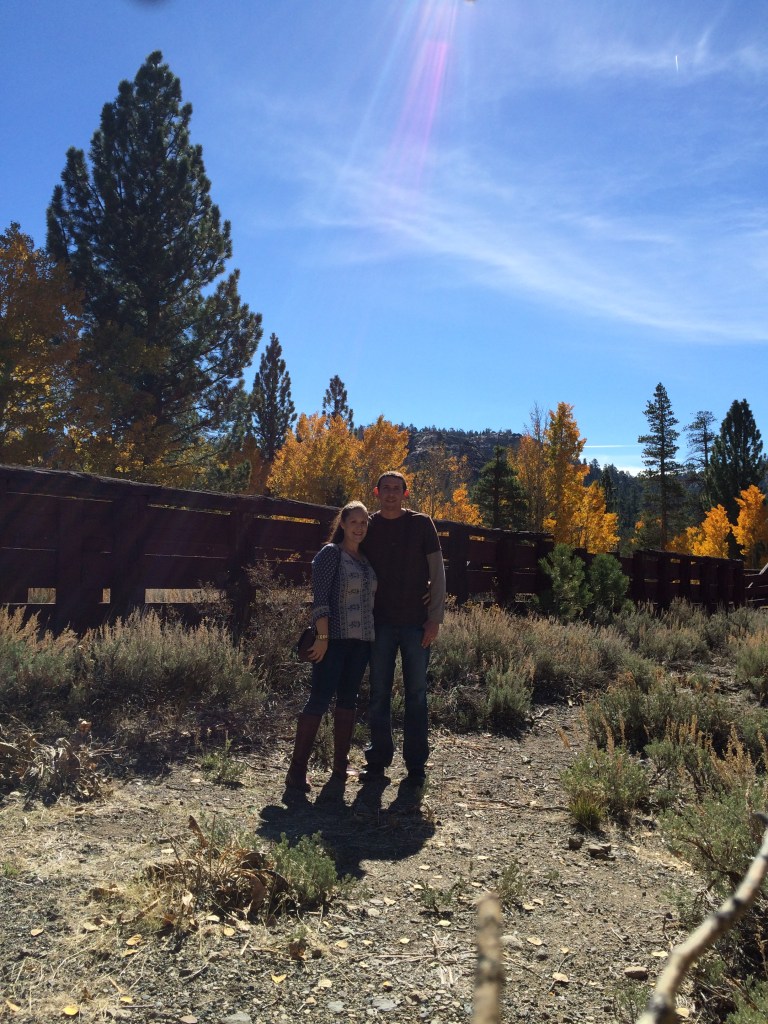
A selfie of me and my husband on our first anniversary. This is a beautiful memory, but I wish we had some nice portraits from this year!

Stuck in our regular routine, it’s can be easy to put our folks on the back burner. We all have obligations and there’s a limit to the energy we can spend in a day. But as life has unfolded, I’ve realized how important it is to make time for family.

In the past I’ve always found ways to make our own family portraits here and there, usually by handing off the camera to a bystander for a snapshot. We all have bills to pay, and a portrait session doesn’t immediately rank as necessary. But this year, I made it a priority to invest in a portrait session for my family.

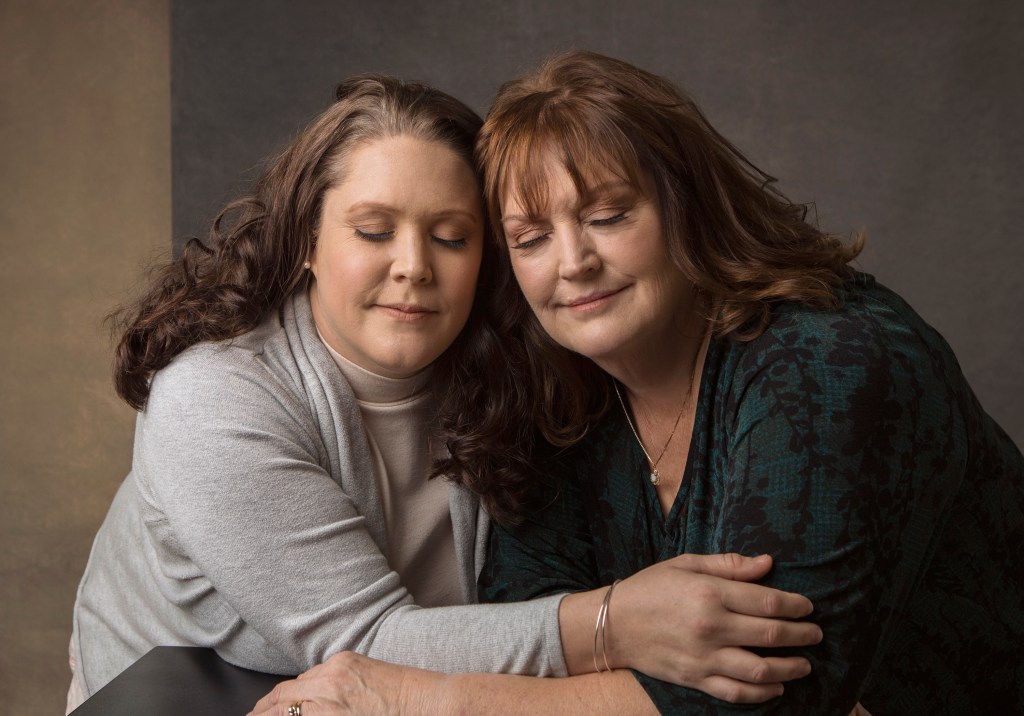
It felt right to honor my mom with a quality portrait of our three generations of women together, and I wanted my daughter to have a beautiful visual legacy to hold onto throughout her life. A professional portrait gives a level of honor to the family that the dearest snapshots can’t match; and there’s a transformative quality to seeing your family through the eyes of an outsider.

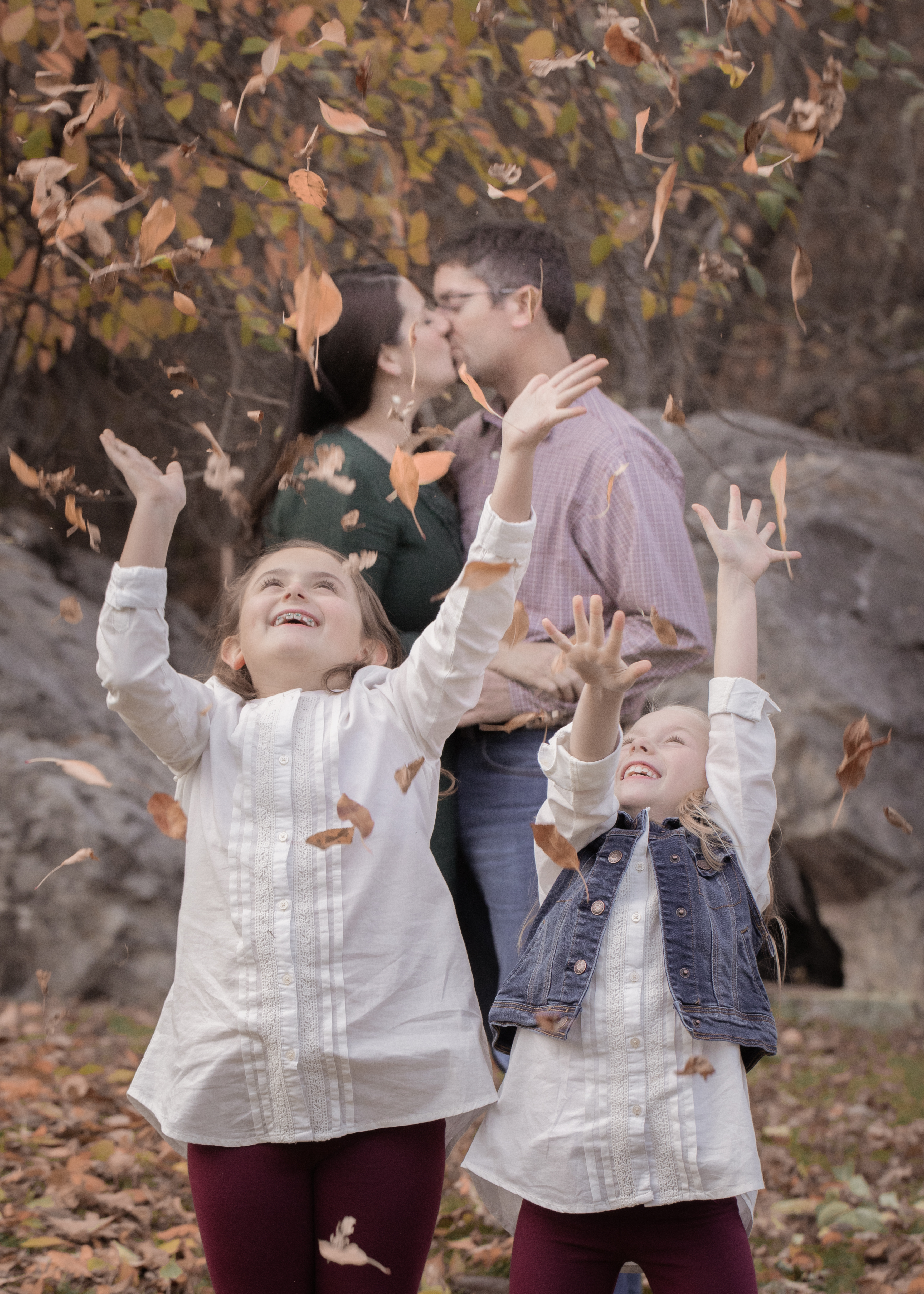
Two sisters throw dry leaves in the air while mom and dad steal a kiss in the background.
A Relish family session. This is more than just a pretty Christmas card. What a gift this image will be to these sweet girls as they grow older!

I’m so fortunate that I can give other families the opportunity to create family legacy portraits. These images are are so beautiful to create, and fill my heart with love and reverence. If you haven’t had a family portrait made lately, it’s time! Get everyone together, get dressed up, and celebrate your family’s legacy. Do it for your kids, do it for your parents, and do it for yourself.

How I wish we’d done this with my dad, too. I have mostly snapshots of my dad. He left us before I became a serious portrait photographer myself, and we never really knew the value of professional family portraits until the opportunity was gone. I can’t go back and recreate those legacy images for my dad. But going forward, I can honor my family with professional portraits regularly. And, as a photographer, I can give others the same opportunity to create a lasting, visual legacy for their families with every family session I schedule.

Me and mom. ZAMS Photography by Zita Makkos