How To Get Your Kids to Smile for Pictures

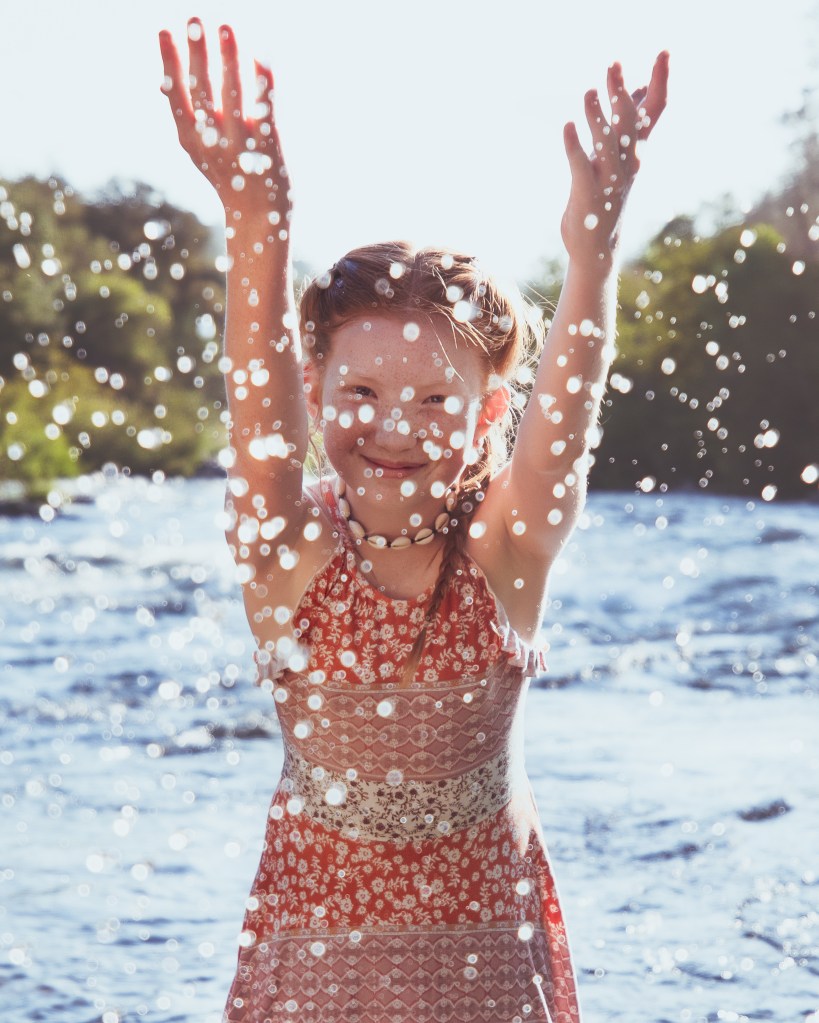
Mom was reading her book in the car.

I’ve noticed parents can get pretty stressed about family photos, and most of the stress seems to revolve around whether the kids are going to behave and smile for the camera. So, I thought I’d write a bit about what you can do before, during, and after your session to make sure your kids do their part and make fantastic pictures.

The real answer is super simple: don’t worry about it–let me handle that.

But that would make a really boring blog post, so here are some things you can do as a parent to make my job easier.

1. Keep the mood relaxed and positive.

You can skip the coercion and threats–that is so 1980’s! Tell your kids you’re looking forward to having a fun session and can’t wait to see what the pictures will look like. You may be a little concerned that they won’t cooperate, but it’s usually best to put your trust in your photographer and assume everything will be awesome. The kids will likely follow your lead.

Start your session with everyone as well-adjusted as possible. Nobody looks good hangry–grownup or otherwise. ‘Nuff said? Since sessions are usually in the late afternoon, it can be tempting to save up appetites for a nice dinner afterwards. For the sake of harmony, it might be better to have an early dinner/late lunch and then go out for dessert when the session’s done.
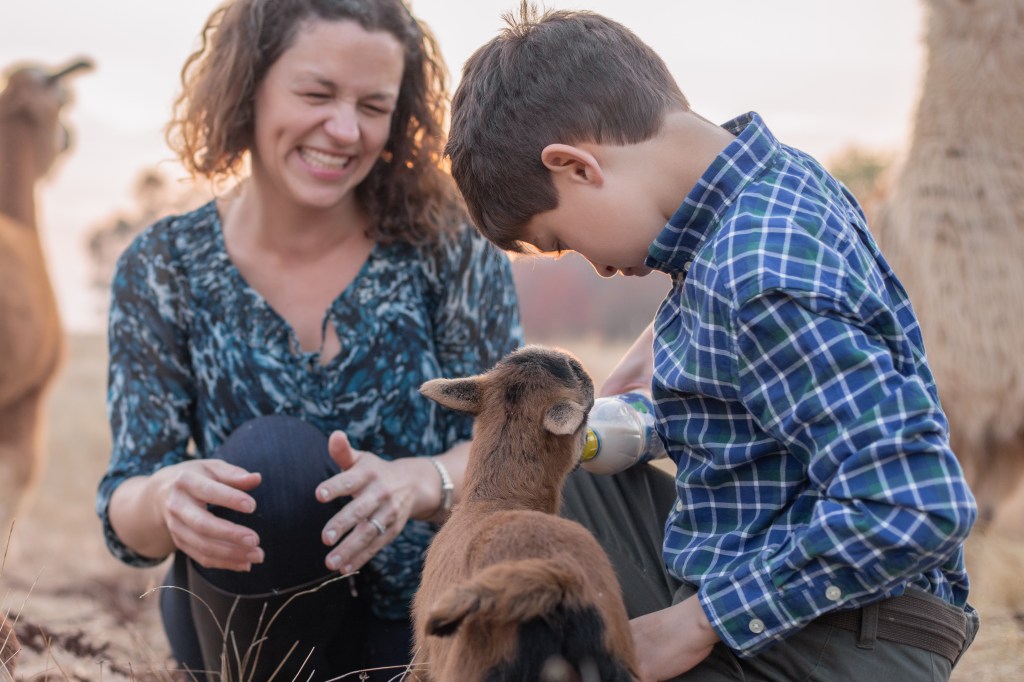
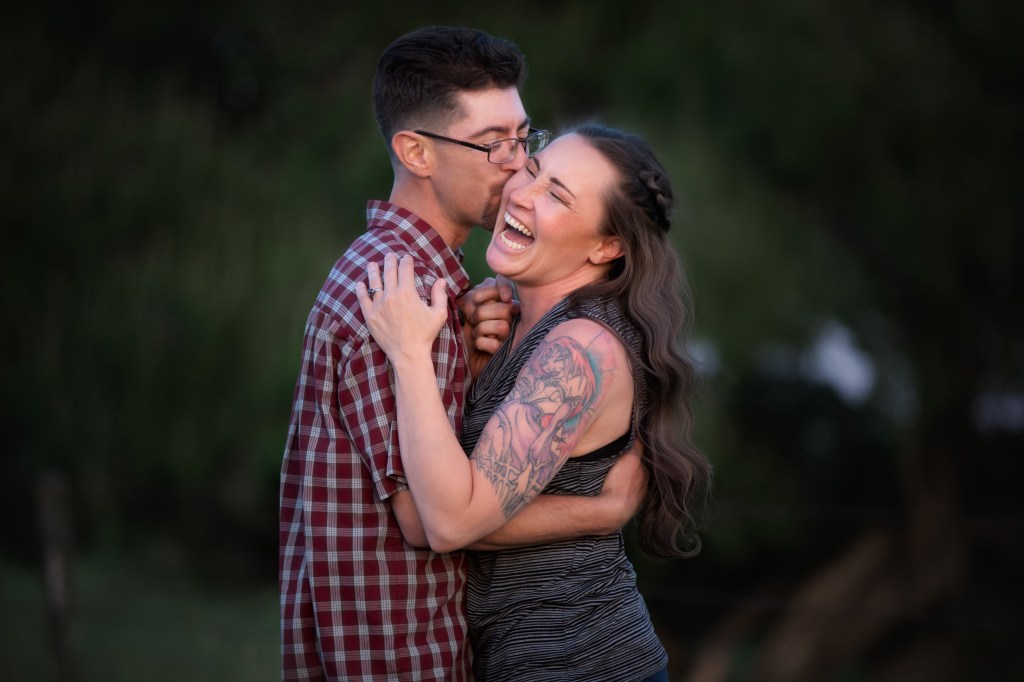
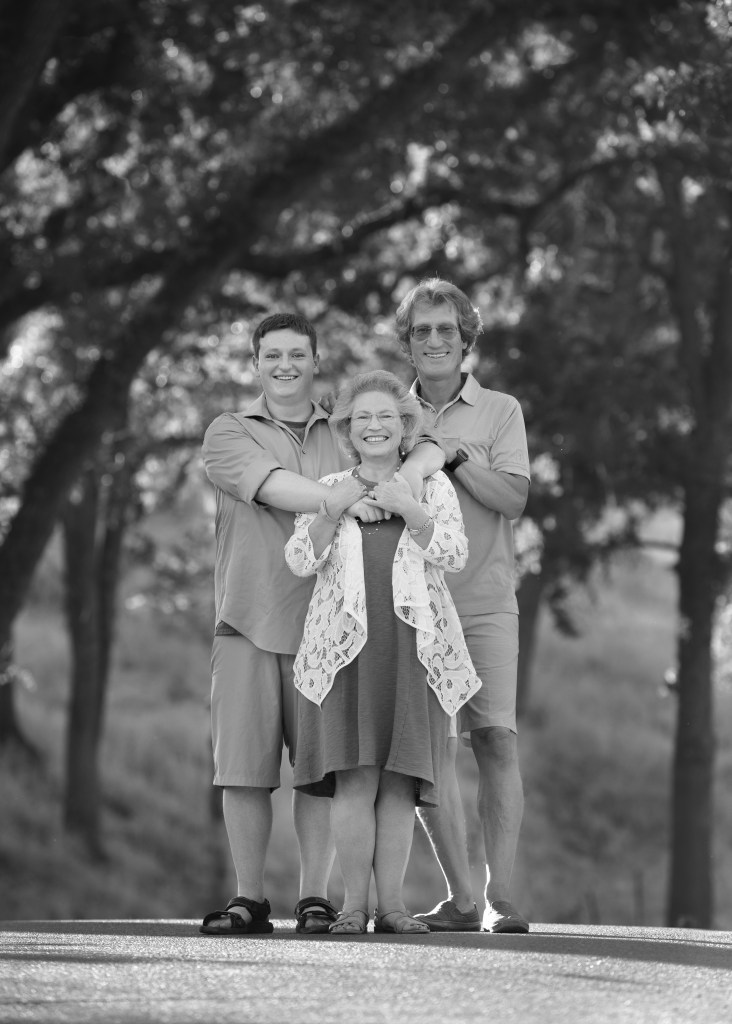
Mom’s joy was contagious.

2. Follow your photographer’s lead attentively.

Adults are harder to photograph than kids. Read that again.

This counts double in family sessions. To get the most out of your session, put your attention on the photographer rather than on supervising your kids. Experienced photographers have a million strategies for making real smiles shine through. We rely on our communication with the whole family to make your images look amazing.

Even if you’re not in the shot, follow the photographer’s lead. Avoid giving instructions to your kids unless requested by the photographer. Photographers’ visions are usually a mystery until you see the images. Let the photographer set the boundaries when needed.

4. Let them be kids.

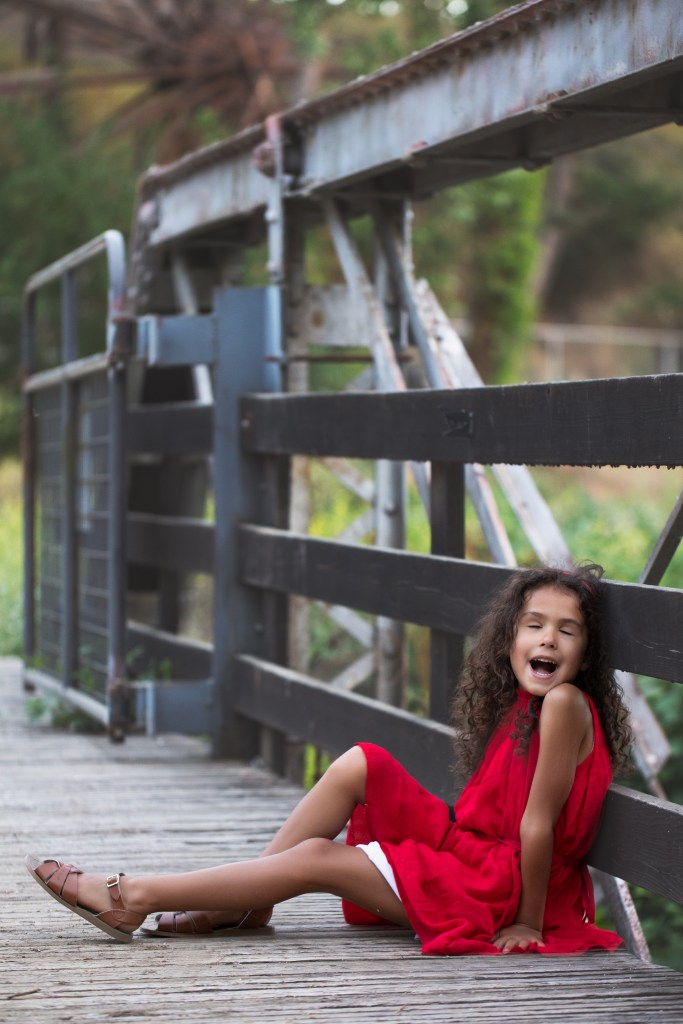
Your family portraits should be a beautiful memory of who each of you are right now at this moment in your lives. Your 3-year old is probably a goofball, and that’s ok. No, that’s better than ok–it’s fantastic. Maybe your husband is a little grumpy, for that matter. That’s ok, too. There’s nothing cuter than the moment when a goofy 3 year old forces a grudging smile out of a grumpy dad! Just let everyone be who they really are, because that’s the beauty of your family.

Nothing shuts the magic down faster than a power struggle. Even if kids are acting out a bit, it may be better to address that after the session’s over. Don’t worry about what the photographer thinks. We–for my part, anyway–aren’t looking for perfect behavior; we’re looking for personality.
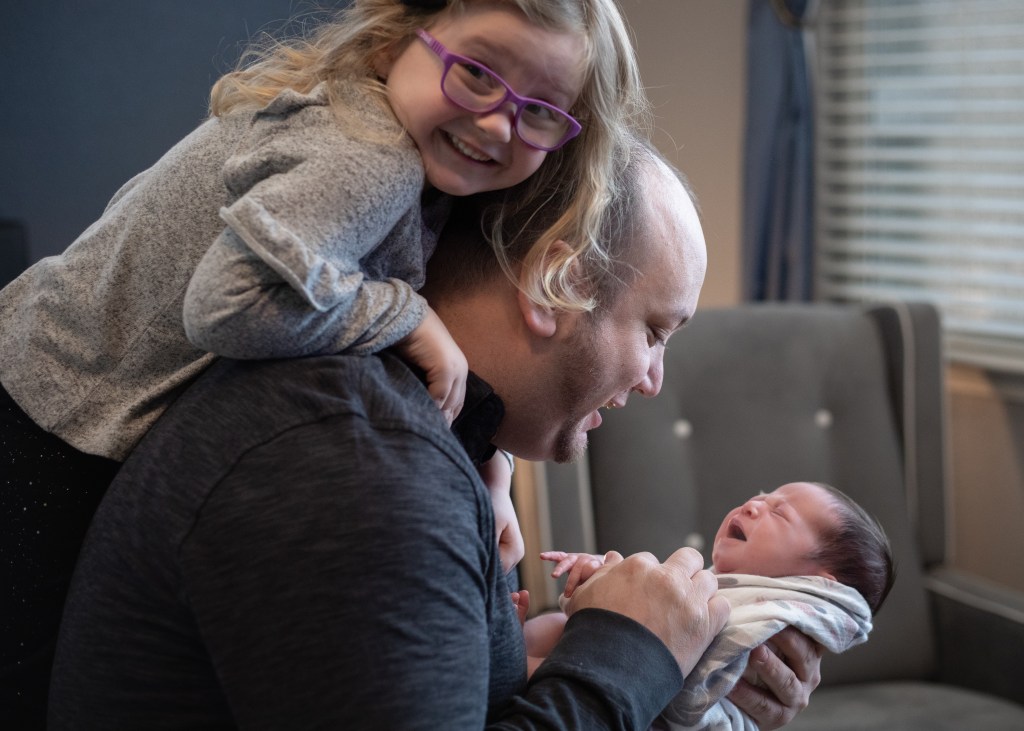
What could be construed as disruptive antics=priceless moments.

3. Give it time.

Kids are always either a little wild or a little cranky when they first get out of the car. Rather than trying to force them to change their mood instantly, it works a lot better to give them some space to unwind. Let them play for a few minutes (the photographer will love getting some candid shots of them doing their own thing), and once they’ve burned off some restless energy, the posed shots will be a lot more successful.

This is why I don’t recommend mini sessions (I personally don’t offer them at all). I’ve found that the best, most authentic connections and smiles come toward the second half of my longer sessions when everyone is relaxed and natural.

5. Have fun.

Play with your kids! Mood can be contagious, so make sure yours is upbeat and relaxed. Put your worries aside. Have you ever seen an image in your photographer’s portfolio that looked like a hot mess? (If your answer is yes, consider shopping around a little more.) We’ve got you, and you’re going to love what we create.

Keep the takeaway positive as possible, even if you weren’t super impressed with your kids’ behavior. Parenting is personal, but I’d be tempted to say what happens in the photoshoot stays in the photoshoot–just let it go in the interest fostering future goodwill toward photo day. If you were relaxed and following the photographer’s lead, it’s highly unlikely anything they did will spoil your photos.

If you’re laughing and having fun with your family, you’ll bring out their lighter sides, too. Leave the stress to the professionals and enjoy this time of joy and connection.
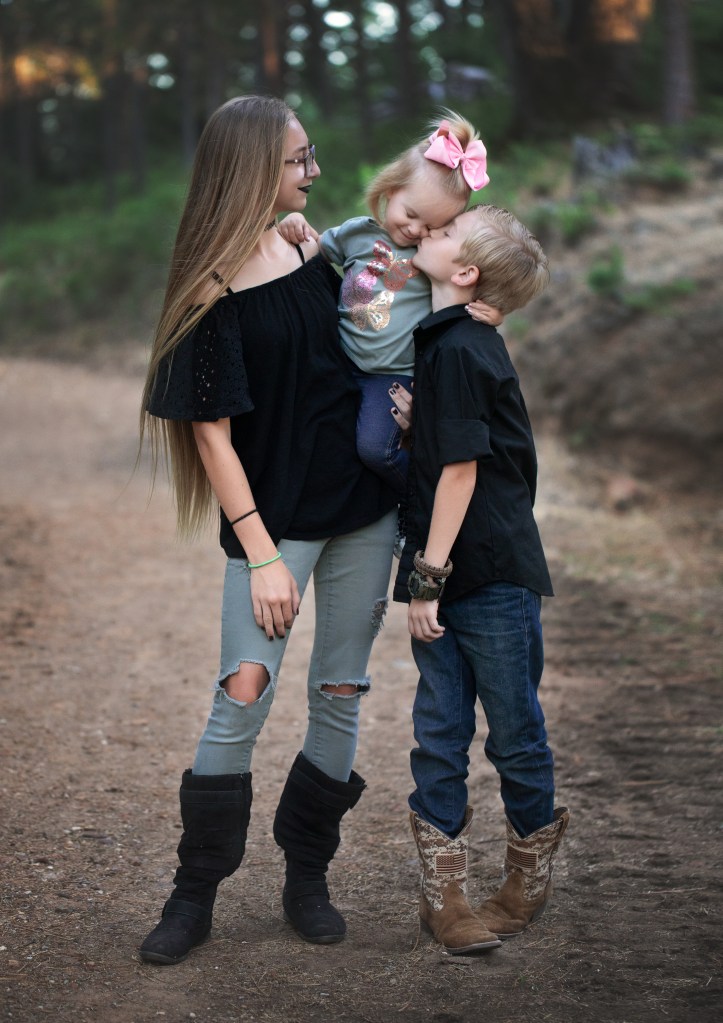

No “Cheese” was said.

Style Haus by SH

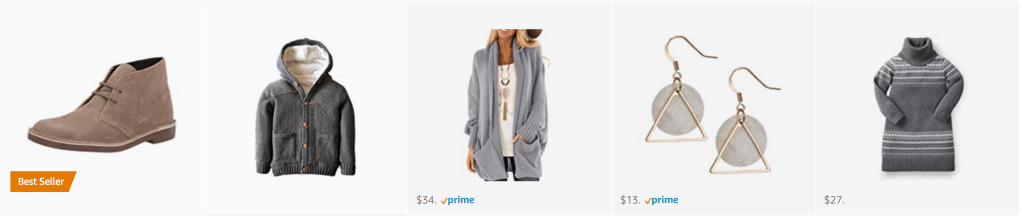
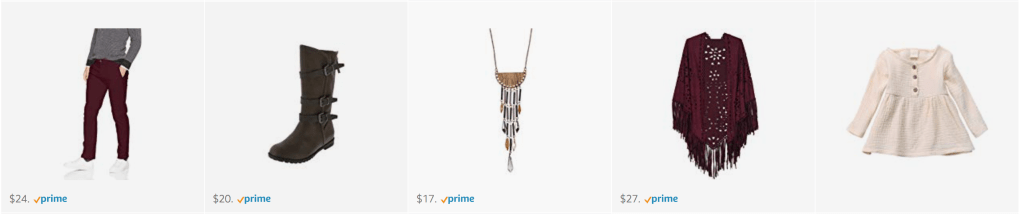
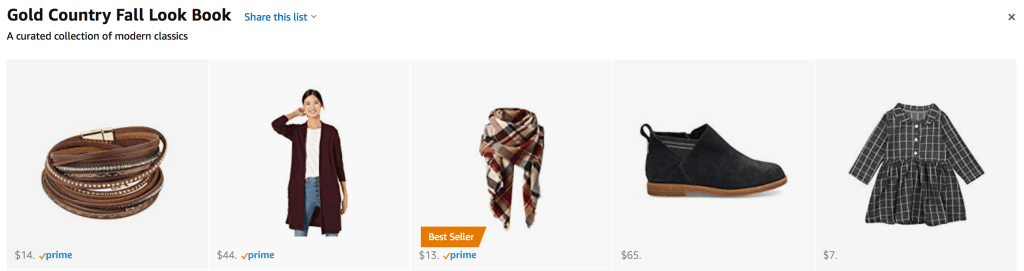
Whoodley woot woot! I just finished putting together my fall look book for sessions! (You can see all the magic here.) I’m so excited about the little micro collections I built. Each one has its own particular style and palette. It’s difficult to describe the ways that color, texture and pattern interact well, so showing is perfect. I’m so thankful to have an Amazon Influencer account that lets me create this amazing resource.

The most important concept to me while I was building these little family collections was sprezzatura–a certain effortlessness of style. I tried to to include an unexpected element in each to make them as utterly unique as each family I meet. I’m not aiming to have someone buy these collections as they are and wear them, although anyone certainly may do. What I really want to do is inspire creativity in a way that introduces some fresh perspective and authentic personality to the family wardrobe game.

Let’s be totally transparent here. Amazon’s Influencer program is all about sales, right? I do get a few pennies in the jar each time someone uses my shop. Some day I might make enough off of this to buy an extra battery for my camera. But I’m not a merchant, I’m a photographer. I’m not doing this to make money on clothing sales. It’s just a phenomenal tool to communicate ideas, and to help my clients plan and get excited for their sessions. It’s like Pinterest, only it’s on Amazon, so if you love something you can just add it to your cart. And most of it is inexpensive. What could be more awesome?!

Anyway, I digress. Here are a few thoughts about dressing your family for your fall session.

First of all, it’s ok to let each individual personality shine through. If everyone has a different style, you can unify the look through color or texture. Don’t worry about your teenager’s eccentricity too much. If one of your kids is a book worm and the other is an athlete, go with it. Everyone doesn’t have to be wearing cookie cutter Sunday Best for the pictures to be fantastic. I tried to show in these little collections how different aesthetics can mix well in the same group. Because every family is a little eclectic, right?

If you’re not formal in your everyday life, there’s no reason to “dress up” for your session. The images will be much more authentic if you dress in a way that’s comfortable to you. Make your look special by adding a bold accessory or two rather than stepping up the level of formality in the clothing itself.

The best way to make a sure-fire success of your family’s look is to choose either a warm or cool neutral palette, and then include a pop or two of one color (bonus if it’s subtle or timely). When I say a pop or two, I don’t mean per person. I mean per group. Only one or two people should have the color on, and the rest should be all in neutrals.

Use pattern with extreme caution. If there will be more than one pattern (even if it’s the “same” pattern, like two plaids), then only one of the patterns should have non-neutral color, and the neutrals need to coordinate.
Of course there are exceptions to every rule, and these aren’t even rules to begin with. The whole point is really to say, “yes, you can use color!” and, “yes, you can use pattern!” as long as you use them in a way that supports rather than detracts from the impact of the people themselves.

So, dive in, enjoy, and share your thoughts with me about the whole process! What do you think of the pattern mixing? What do you think of the style mixing? Would you do it?

Style Haus by SH: Gold Country Fall Look Book

Perception, Self, and the Theory of Forms

Plato explored the notion that all things exist as copies of their ideal forms–theoretical blueprints of sorts. I imagine this is something people have mulled over in various forms throughout human history. As Plato’s ideas developed over time through the lens of other minds’ eyes, it became more common to think of these universal forms as ideas, and less common to think of them as actual objects existing on another plane of reality.

I read about Plato and his Theory of Forms when I was young, and it brought my attention to how I tend to perceive the world based on ideal forms, sometimes at the expense of reality. This is especially interesting when applied to my perceptions of people, and this may be why artistic portraiture is so compelling to me.

When I think about the people around me, I see their essence first. I’m very aware of the core of their selfness. People’s actual physical aspects are secondary to me, by a wide margin. I often find myself surprised when I see a photograph for the first time of someone I’ve only met in person. The photograph will look so different to me than the person I met. Without the actual personhood present, I notice a lot of the physical characteristics for the first time. Kind of strange? It feels strange.

Normal or not, this mode of perception informs how I shoot and process my own photography. This is my lens. I want to photograph who a person is much more than I want to photograph what a person looks like. This can be tricky sometimes, but I find it’s actually easiest with people who say they hate pictures or that they’re not photogenic. I find that those people don’t have a practiced barrier in place for me to get through before I can see who they really are.

When I’m processing, I’m looking to take away anything that distracts from who that person is at the utter depth of the soul. I want everything around that person to support the message, “look how amazing this person is.” There are a lot of little physical distractions we all deal with day to day. Many little details deviate from what we would consider our ideal form of self; but who we really are is our ideal, and that’s what I see when I look at people. I think of people at their best, and I create that image from my own perspective.

Seeing your own self this way is transformative.

When a portrait is about who a person is, it can’t help being beautiful–it really can’t. We’re all weird in our own particular idioms, and that is utterly fascinating. So if there’s one thing you can take away from this read, and especially from your session if I ever get the honor of working with you, it’s this: you–the real you, as you are–are just what you should be, and you shouldn’t be anything else.


Black And White: Actually a Grey Area.

Sometimes I include black and white images in my client galleries, and they are often duplicate edits of shots I’ve shown in color. Since most printing services give an automatic black and white conversion option, it may seem unnecessary for me to include these alternate edits. But this is far from the case, and I want to show you how that’s so.

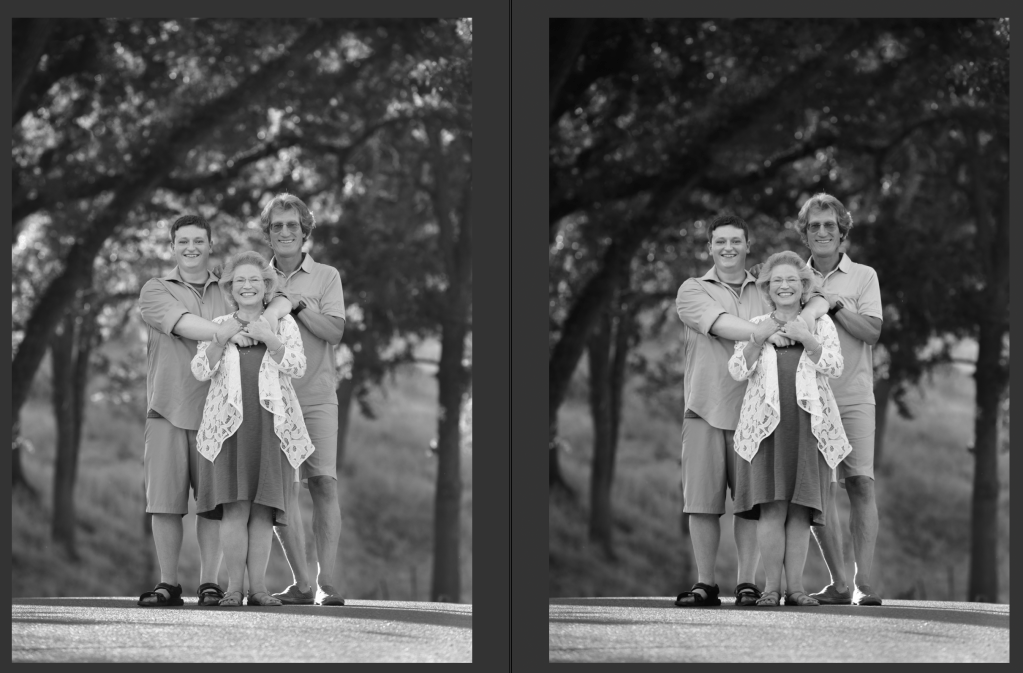
Left: Automatic conversion to black and white from color
Right: hand-process of a black and white conversion
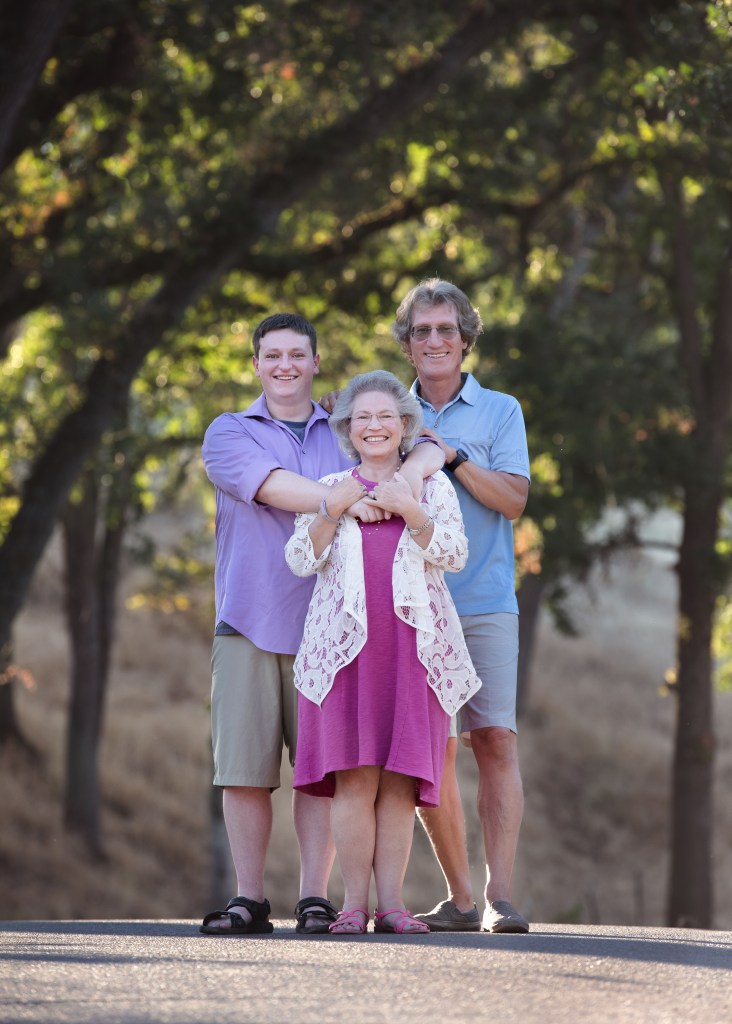
Original color image

Black and white filters don’t know what you want the image to be about. There are a lot of neat looking effects readily available through Instagram, VSCO, and other plugin sources; but those one-and-done tools don’t understand what is important in the image, and what can be downplayed or augmented to make the subject really pop.

If you desaturate an image and make no other changes, certain details that stood out because of their color will be diminished or lost in your black and white image. Although the colors may have been in great contrast, they may also be very similar in tone. Converting an image like that to black and white can make it all a muddle of similar shades of gray.

A successful, eye-catching black and white image needs to have bright whites and rich darks. It needs to have its subject clearly defined so that even if it’s printed the size of a postage stamp, the subject matter is clear and readable.

Automatic conversion by desaturation–the subjects blend with the background for lack of contrast.

The images I’ve included show the progression an image can take from color to black and white. In the color version, the pink and blue clothing easily sets the family apart from the beautiful greenery in the background. But when I automatically convert the image to black and white (by desaturation), the family seem to merge with the background. Their prominence in the frame is really diminished. Alternately, in my hand edit, I’ve manipulated the light and shadow values to bring the family back out of the background and make them the stars of the show again.

Color spoils easily. The vibrant, on-trend color that makes you love an image today can also make it look dated in 7 or 8 (or 20?) years. Color is very susceptible to the changing tides of fashion, so if there’s a lot of bold color in a shot, that can be a really good reason to also have a black and white edit. Without the element of color, images can transcend time more freely and endure more without the connotation of any particular era. On the other hand, there’s a valid and joyous place in the world for all that is of this very moment and will no longer make sense to us 6 months or a year from now. “Now” and “Always” are equally precious.

Custom hand-conversion from color to black and white–a dark background contrasts strongly with well-lit subjects, and the tones in the clothing are varied.

So, automatic black and white conversion is not available in my product line. I encourage my clients to reach out to me personally for their black and white conversions so they can get a black and white image that is every bit as thoughtfully created as the color version.
The Relish Store

I’m very excited to announce that I’ve been invited to participate in Amazon’s Influencer program. This is a HUGE deal for my quality of life, you guys. HUGE. And it’s going to make styling sessions a lot less work for my clients, too.

I always try to collaborate with my clients for wardrobe, and I spend countless hours scrolling Amazon since that seems to be the most universal and affordable option for most people. I have a lot of idea lists on my Amazon account. I. Mean. A. Lot. And there’s not really any easy way to share or present those ideas as a whole.

Now that I’m an official Amazon Influencer, I can have my own curated Amazon storefront. Rather than constantly searching though everything for what I think a client might like, I can just show my clients *all* of my ideas in an organized set of boards. There is a small commission for any sales made through my account, which is just icing on the cake. Really, I’m so excited for the collaboration opportunity.

You can see my storefront here:
http://www.amazon.com/shop/relishphotography

One big thing on my to do list is creating whole family outfits, because that’s something I know clients really stress over. I’ve established wardrobe boards for women, men, boys, girls, babies, and newborns. I also have a section for photogenic toys you can surprise your little one with at your session to help get them liking the idea, and I’m going to make special collections based on style and theme.

My American Summer 4th of July shop is my first themed pop-up, and I’m so in love with all of it. My 4th of July sessions will feature a beautiful handmade wood flag by Patriot Woodsmiths and other rustic props in a beautiful setting. I can’t wait to see these images! Shop my 4th of July picks here:

https://www.amazon.com/shop/relishphotography?listId=2XP6HSO8PMFC5&ref=cm_sw_em_r_inf_list_own_relishphotography_dp_DJViBar5KzlHn

As always, and even more so now, I’m so excited for the future of this grand adventure.


Working With Kids And Animals

“Never work with kids or animals”…said so many people, always, forever…..

But kids are my wheelhouse, and there’s nothing cuter than kids with animals! I see their point, though. Kids=chaos. Animals=chaos. Kids x Animals = whoa…….

Sessions with kids and animals can be super cute and fun! For little kids though, it can end up being more of a lifestyle session than portraits. That’s fine if it’s what you’re after! I’ve been enjoying doing some animal composites this season though, and I’m finding the results are sometimes a bit more magical than the real deal could have been.

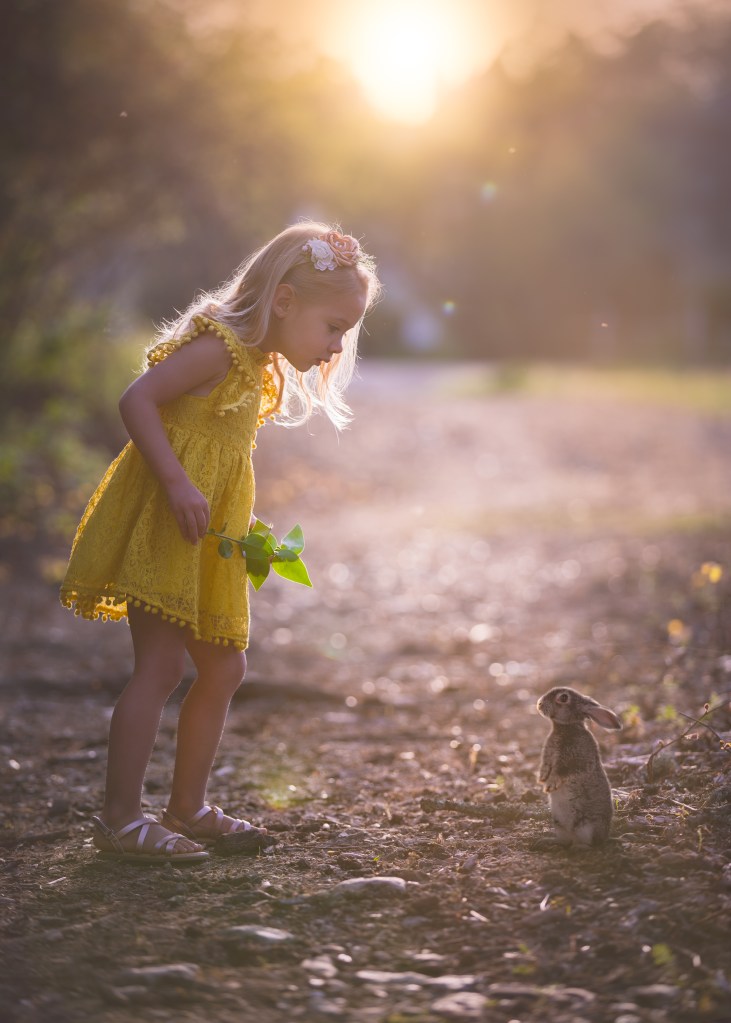
girl and rabbit meet at sunset
Could this kind of calm, thoughtful interaction really happen outside of fairy tales–no less in front of an audience of kindly coaching parents and an imposing camera lens?

I shared this image (the girl in the yellow dress) on the Relish Facebook page, and I received a handful of requests for similar shoots. Folks were disappointed when I told them, “yes we can do this, but just so you know, there wasn’t really a bunny at the shoot!” I get it–it’s a super cute thought to see your kids get to play with a real bunny and have pictures of that. But in reality, that situation can be more stressful than cute. A real bunny can easily get scared and run away. She needs careful, gentle treatment, and may get nervous and nibble fingers or have an accident on that beautiful little dress. When real animals are in the shoot, I find that tensions can run high.

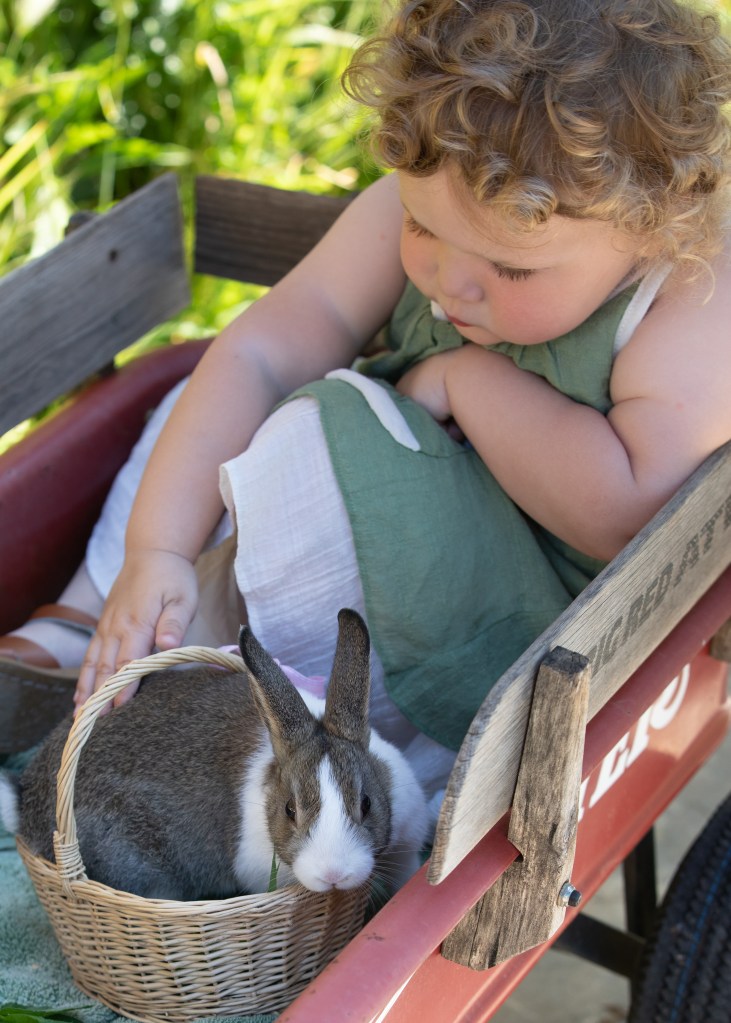
With a real bunny, we had to be confined to make sure she didn’t get lost, and both bunny and child were in constant motion. Daddy was trying to keep Evi from standing up and the bunny from jumping out of the wagon.
My daughter got a bunny this spring and I wanted to do a photoshoot for Easter. I made a nice flat spot in a grassy planter for her to hold the bunny. I set up my reflector. But I put her in the grass and she pitched a fit. She didn’t want to sit in the planter. The bunny climbed up the grass and wanted to chew on the tree bark. It was not picturesque. Plan B was putting them both in the wagon–not my vision for a nice color palette, and I had to quickly improvise the backdrop by changing my angle to something less than ideal. The bunny ate grass, and Evi petted her. It was cute. Super cute.

But these shots have barely a hint of the aura of wonder I was able to create in that first image, where I didn’t have to worry about the bunny escaping, and the little girl could be given a simple task without being distracted by the erratic activity of a live animal.

I asked that sweet little girl to look for ants in the bright yellow leaves that the sun was backlighting. She was calm. It was mellow. When I got home, I saw that shot and thought “that’s a perfect spot for a bunny!” …I had a perfect pose from her, and I was able to blend in a bunny in a perfect pose, in a perfect position.

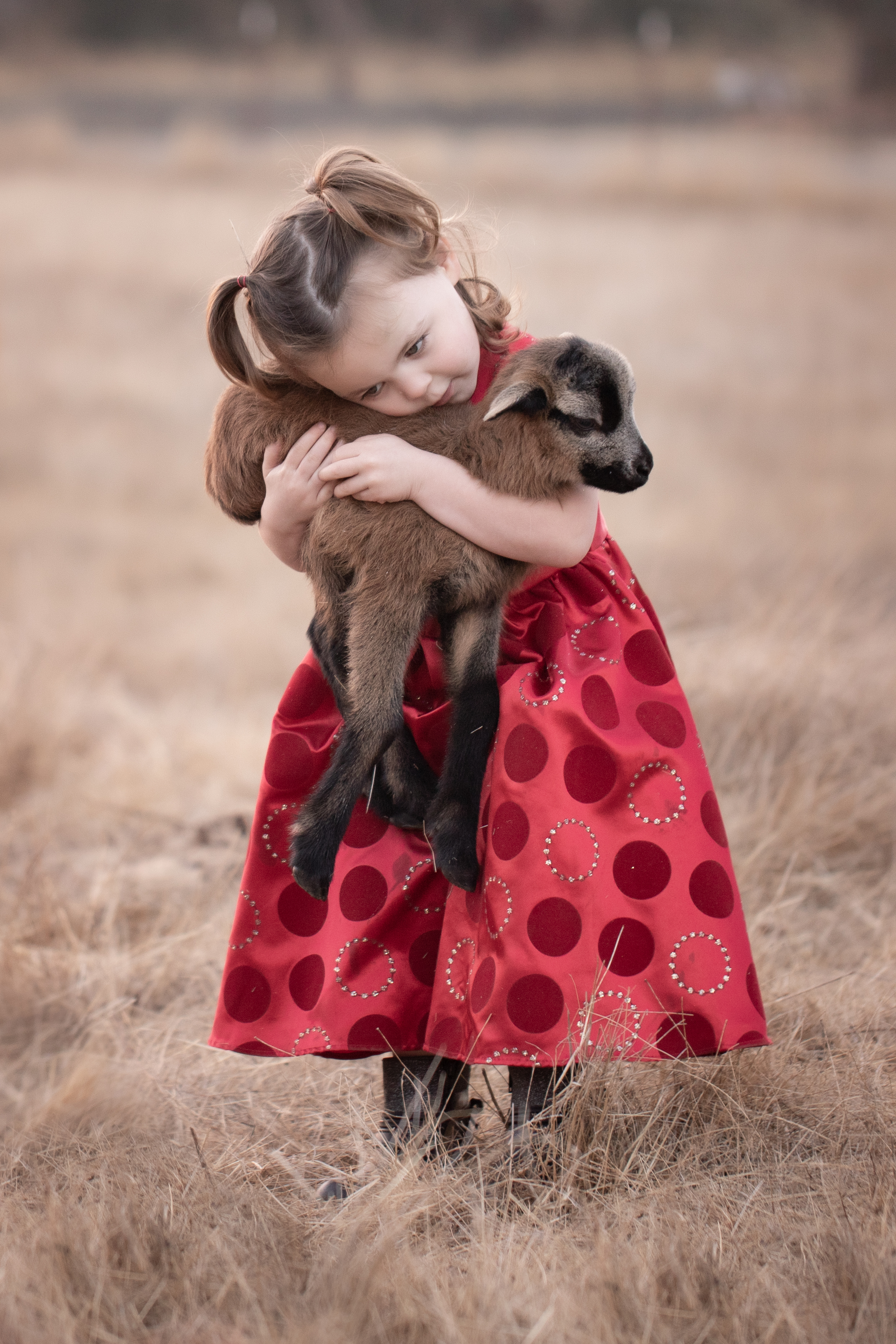
I love this lifestyle image of a little girl with her new baby sheep. Images like this have more of a documentary feel, and are a lot more difficult to achieve with smaller animals.

So… yes, we could bring a bunny out for little kids’ sessions. I do have a real bunny, and she’s super sweet and friendly. But it wouldn’t be very fair to that timid little creature. The reality of live animals in a session is a lot more chaotic and less picturesque than it plays out as in the mind’s eye. I’m not saying I’ll never do it–I gladly will any time if folks have their own animals they’d like to include! But to make something like the really magical composite above, I need to be able to have more control than a real “kids x animals” experience can usually give.

Even when the animal really was at the session, those shots are also often composites. The animal and the child so rarely do the right thing at the same time that I often blend multiple shots to create one final image. With over 20 years’ experience with Photoshop and photography, I can create a full composite that is even more magical, and nobody has to get tinkled on.

Dream Big Dreams

See that it’s possible.

I feel pretty lucky that I was born to live in this time. The age of global information brings a lot of new complications to our lives, but it also allows light to fall on a lot of things that used to stay in shadow.

When I was in college, I was the first woman to arrange music for our University’s marching band. A friend was the first female drum major. When we were kids, the band didn’t allow female members at all.

We blazed through these firsts without giving them much thought, and that is amazing. We didn’t feel like pioneers, it just felt normal. Thank goodness for change! It has become much more widely accepted for all of us to follow our hearts, even if we don’t fit the traditional mold.

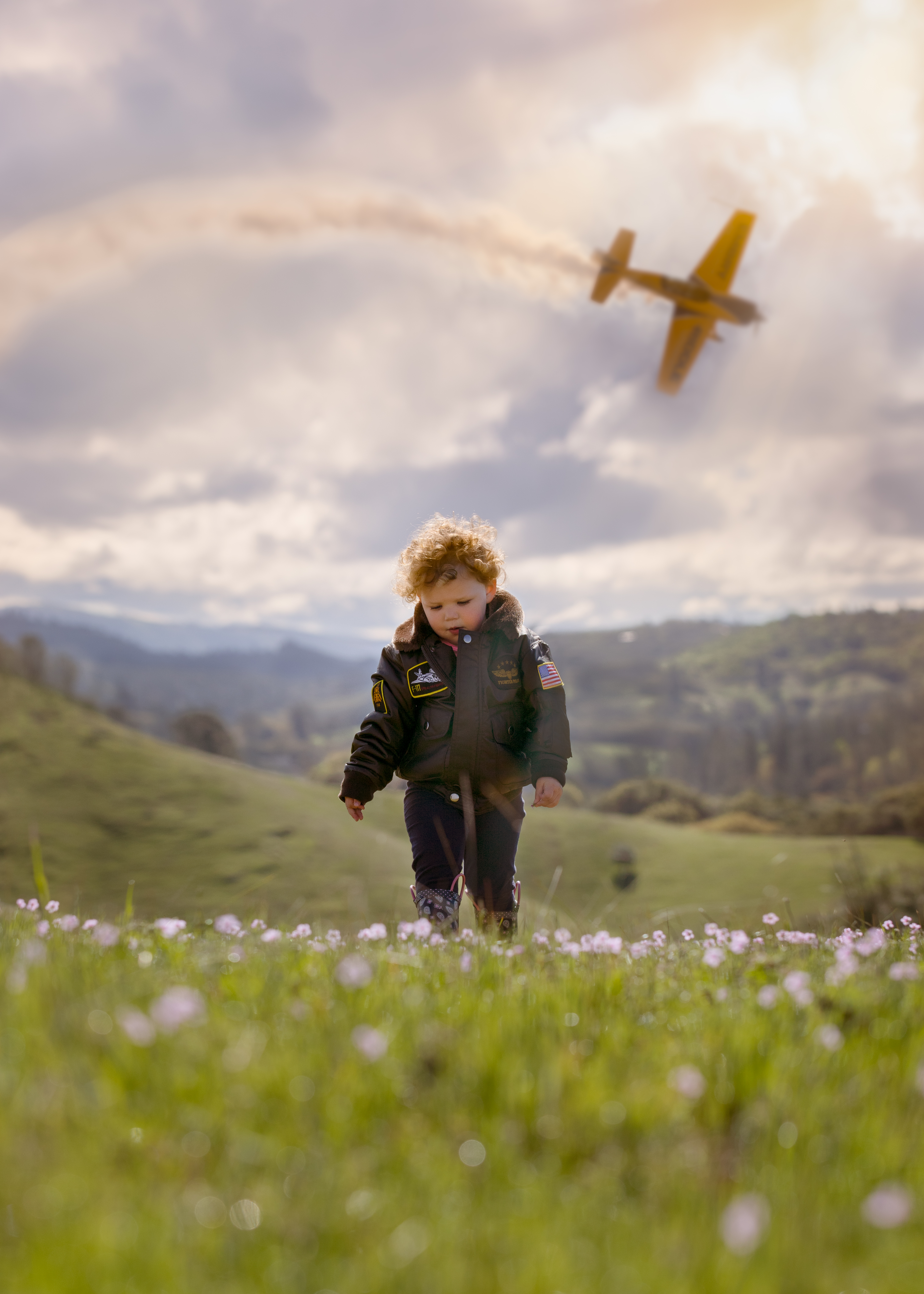
My little daughter is in love with airplanes. When she goes out wearing her tiny bomber jacket, people call her a cute little fella. Female pilots are still considered somewhat remarkable–women aerobats actually compete separately from men even now.

So, we watch a lot of documentaries about women pilots and we go to air shows whenever we can. I want her to know that people like her can do that–that it’s not reserved for someone else. Maybe as she grows older, her interests will change. But we’ll always be there to support her vision and help her find ways to follow her ambitions, even if there’s no example before her to follow.

Times keep steadily changing, and by the minute, it becomes less and less remarkable for anyone to do just about anything they want to do. It’s pretty exciting. And knowing where we came from, I’m so happy when I can lend a little boost to help her envision herself following her dreams.

“She believed she could, so she did…”

Giving The Gift of Legacy Photography to your Parents and Children

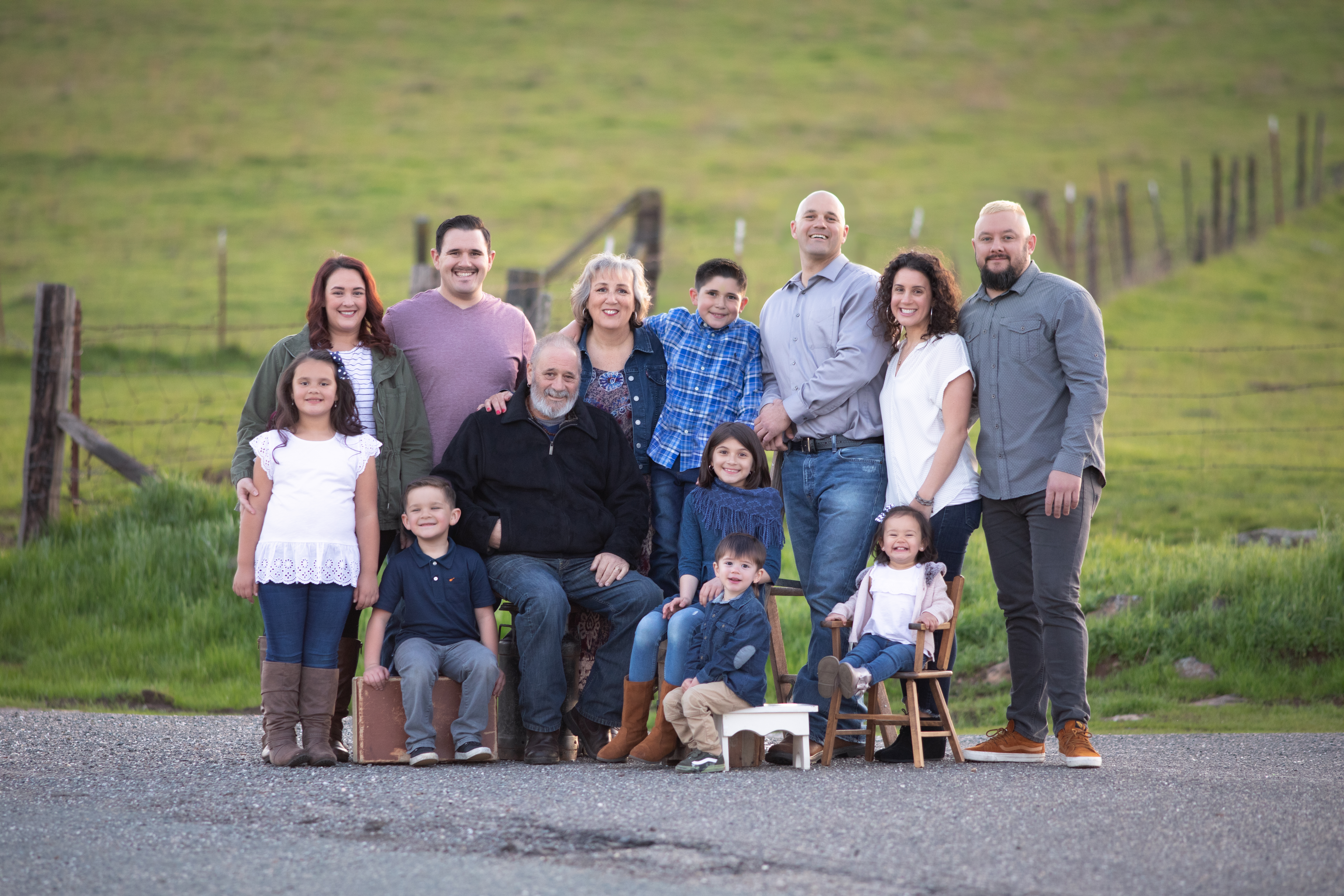
a large family portrait session in amador county, California by Relish Photography
A recent Relish family legacy session

Day to day we all go along, busy, immersed, often overtaxed. We take a lot of snapshots. We give lots of hugs. Maybe not as many as we’d like. If we’re lucky, a lot of people lean on us for what they need to get through life, and if we’re REALLY lucky, they’re there for us to fall on when we need it, too.

Family, right? We love them and they drive us crazy. But they’re always there.

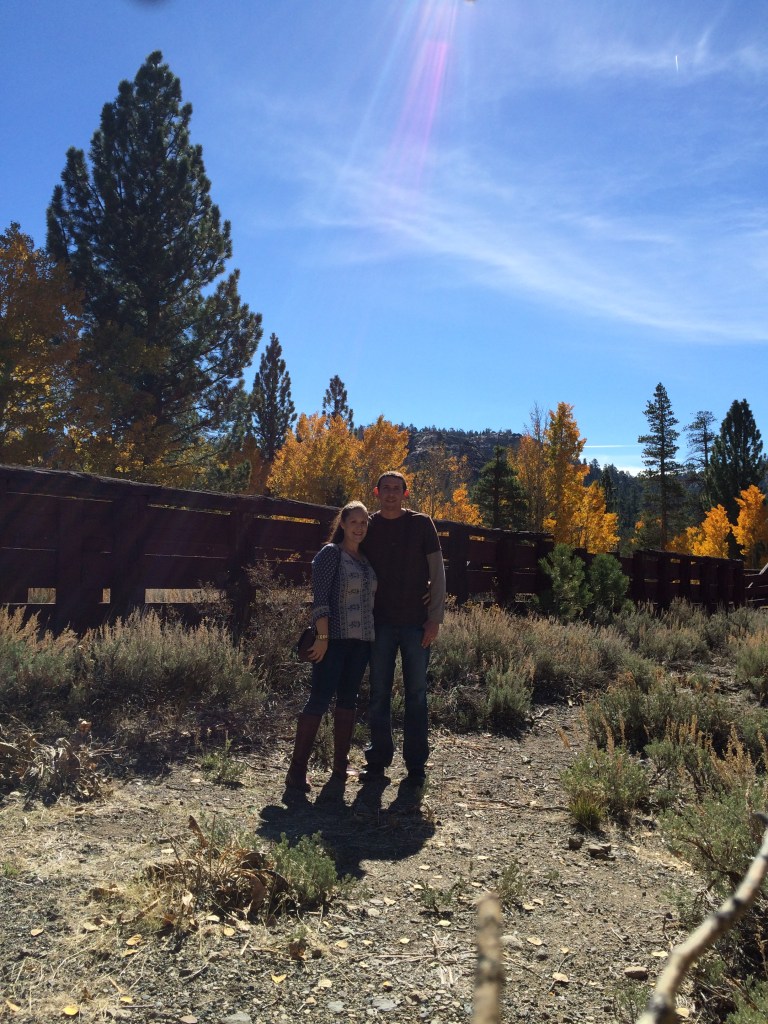
A selfie of me and my husband on our first anniversary. This is a beautiful memory, but I wish we had some nice portraits from this year!

Stuck in our regular routine, it’s can be easy to put our folks on the back burner. We all have obligations and there’s a limit to the energy we can spend in a day. But as life has unfolded, I’ve realized how important it is to make time for family.

In the past I’ve always found ways to make our own family portraits here and there, usually by handing off the camera to a bystander for a snapshot. We all have bills to pay, and a portrait session doesn’t immediately rank as necessary. But this year, I made it a priority to invest in a portrait session for my family.

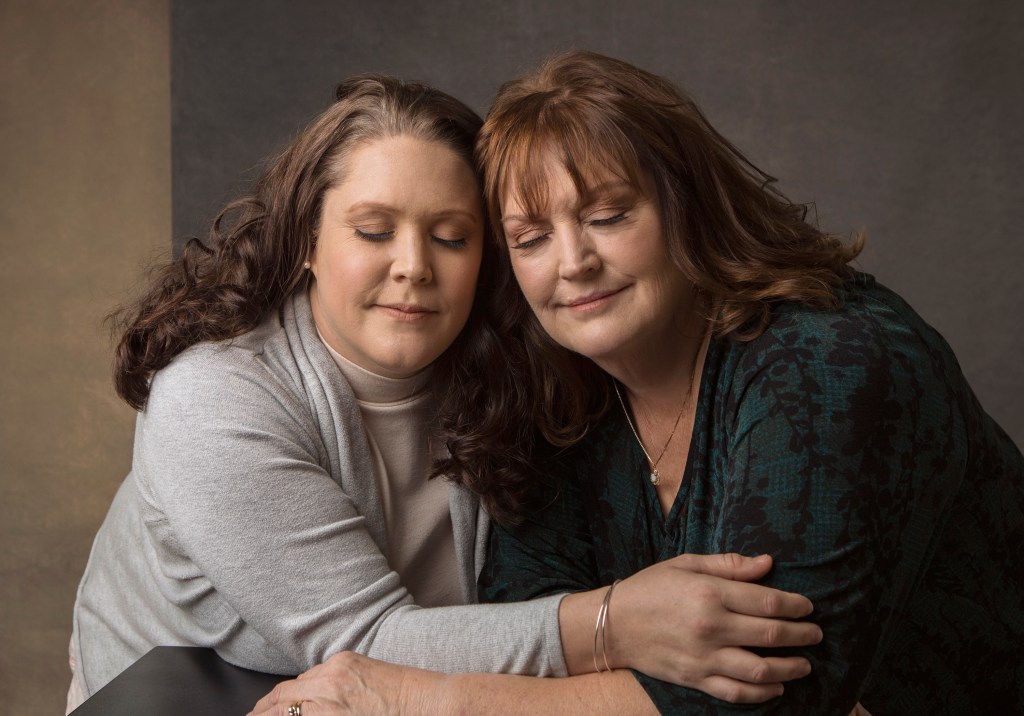
It felt right to honor my mom with a quality portrait of our three generations of women together, and I wanted my daughter to have a beautiful visual legacy to hold onto throughout her life. A professional portrait gives a level of honor to the family that the dearest snapshots can’t match; and there’s a transformative quality to seeing your family through the eyes of an outsider.

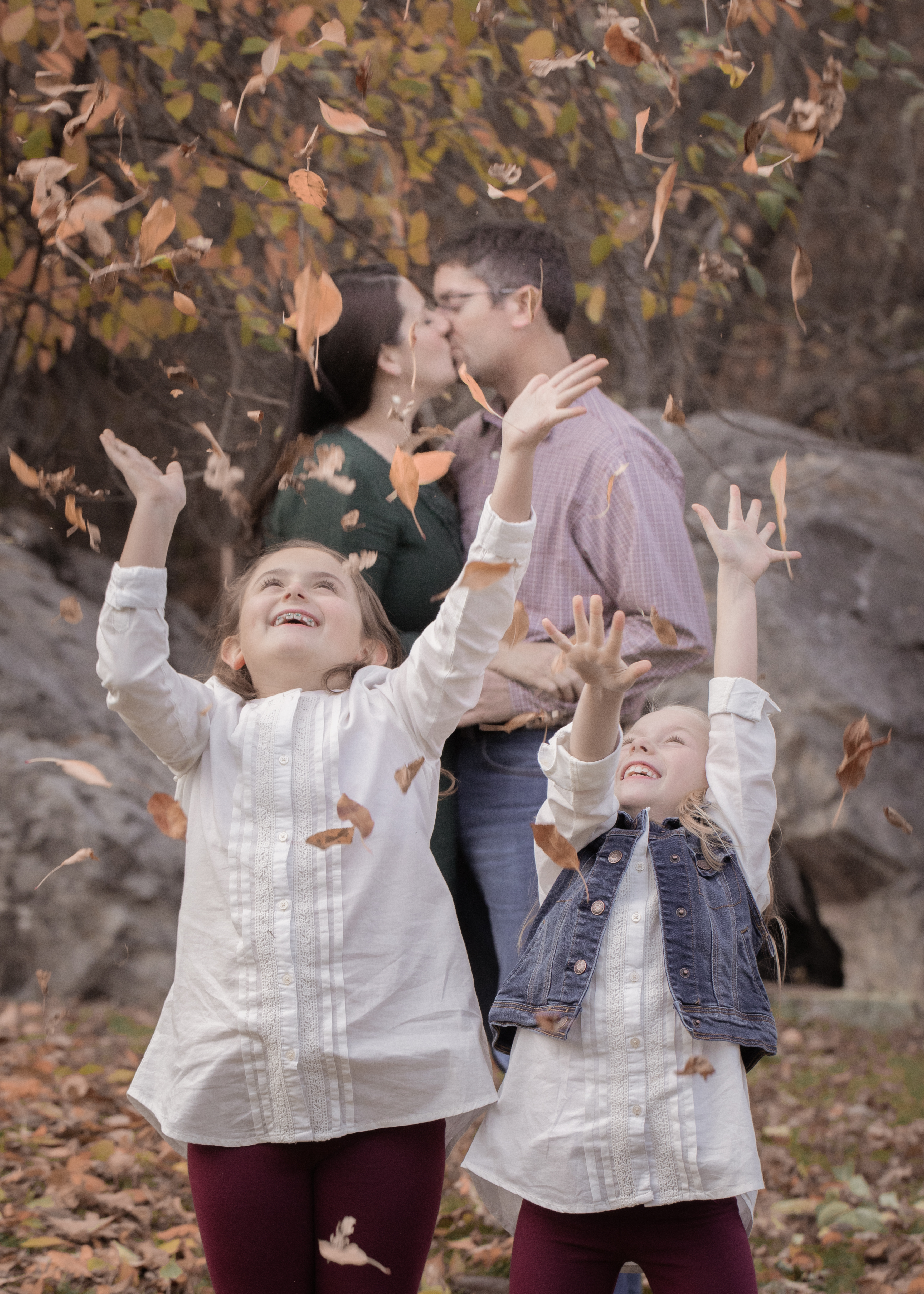
Two sisters throw dry leaves in the air while mom and dad steal a kiss in the background.
A Relish family session. This is more than just a pretty Christmas card. What a gift this image will be to these sweet girls as they grow older!

I’m so fortunate that I can give other families the opportunity to create family legacy portraits. These images are are so beautiful to create, and fill my heart with love and reverence. If you haven’t had a family portrait made lately, it’s time! Get everyone together, get dressed up, and celebrate your family’s legacy. Do it for your kids, do it for your parents, and do it for yourself.

How I wish we’d done this with my dad, too. I have mostly snapshots of my dad. He left us before I became a serious portrait photographer myself, and we never really knew the value of professional family portraits until the opportunity was gone. I can’t go back and recreate those legacy images for my dad. But going forward, I can honor my family with professional portraits regularly. And, as a photographer, I can give others the same opportunity to create a lasting, visual legacy for their families with every family session I schedule.

Me and mom. ZAMS Photography by Zita Makkos

Why I Don’t Use Presets

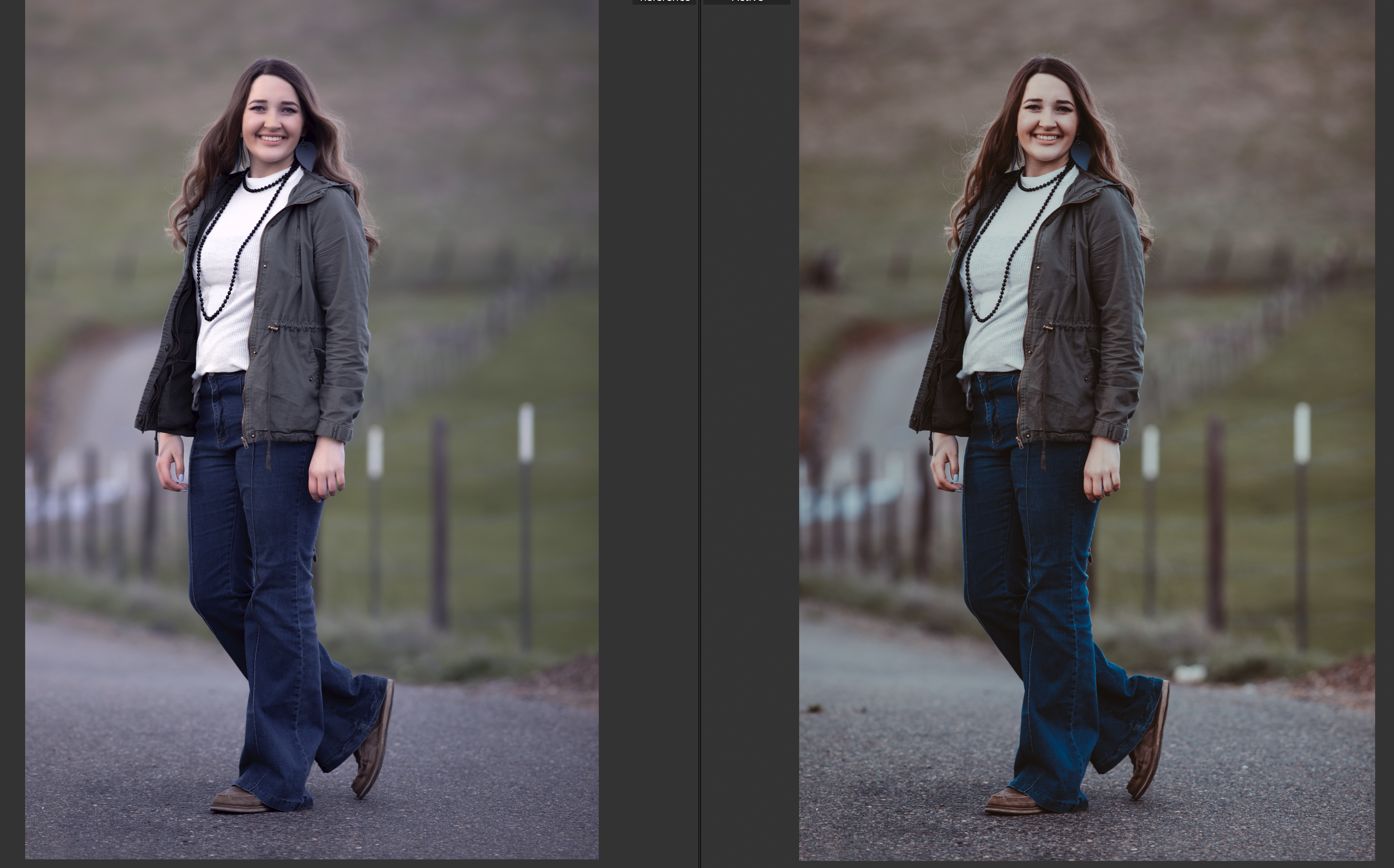
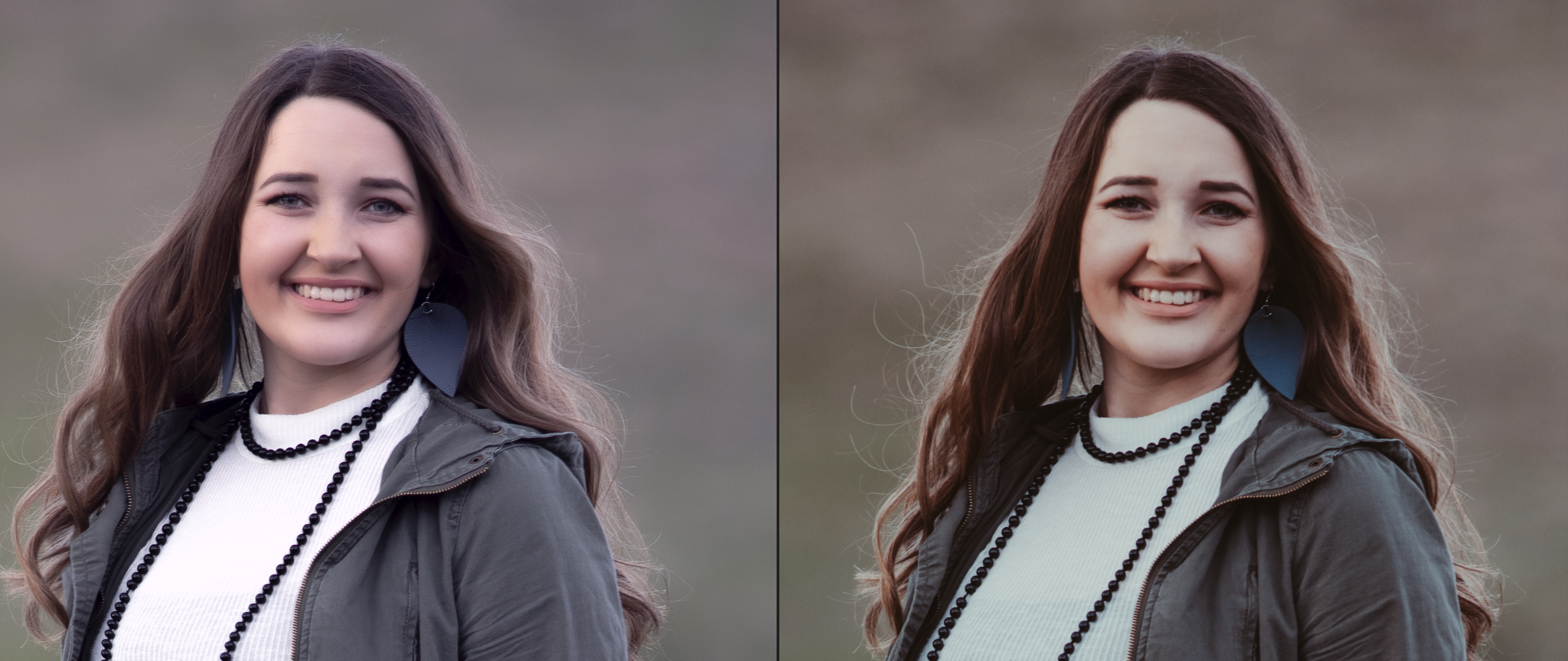
One of my images with a popular preset applied. The white patch on the right is burning my eyes! that highlight was not blown out in the original image.

My feed’s always flooded with ads for photography presets, also known in the social media world as filters. These pre-made sets of editing actions can be mass-applied to a whole photoshoot at once. Some photographers use presets as a tool to save time and give all their work a consistent look.

When a stylized preset is applied, the image can become more about the preset than the actual image itself. For this reason, presets can help increase the impact of images that are lacking in interest or quality. But they fall far short of hand editing when they meet with great image quality and attention to detail.

Clients and colleagues have complimented my processing and asked if presets are a part of my workflow. So, I wanted to take a few minutes to write about my approach to processing, and explain why I don’t use presets.

If you’ve ever followed a photography feed or even talked about photography near your phone, you’ve probably seen preset ads. Brixton film, Jake Olson, who else sells presets? There are so many out there. The example photos look dreamy–bright, rich, deep and intense, or soft, muted, and tranquil. Surreal in a really good way. It’s easy to think that mood was created by the preset alone.

But, no. A professional photographer shot those images, and although the preset was applied, many other actions were also taken to create that final product. When presets are simply applied wholesale, one-and-done style, the effect is not always so dreamy.

Left: My hand edit; Right: a popular preset with no other edits

When I began studying as a photographer, I was incredibly fortunate to have a very patient and technically-minded mentor who taught me in depth how to shoot and edit for the best possible image quality. It was a major milestone for me in my path to begin shooting professionally when I was accepted as a contributor for Adobe Stock and Getty Images–two separate commercial image sources, each with a strict insistence on impeccable image quality. My artistic editing springs from that foundation of technical excellence. I start with a clean image, and branch out to create a little fantasy in my editing without losing that integrity.

Consider the images above. On the left, in my hand edit, I kept the blacks dark and the whites bright, making space for the midtones. I clipped the blacks gently to give a soft matte look. I softened the green but left it a natural hue. I augmented the direction of the light. I removed some distractions from the background and minimized the prominence of the textures in the road and grass. I pumped up her hair and subtly straightened her posture, and I processed her skin first by hand and then by applying my custom look with a sophisticated skin texture algorithm.

Left: My hand edit; Right: the same popular preset as above.

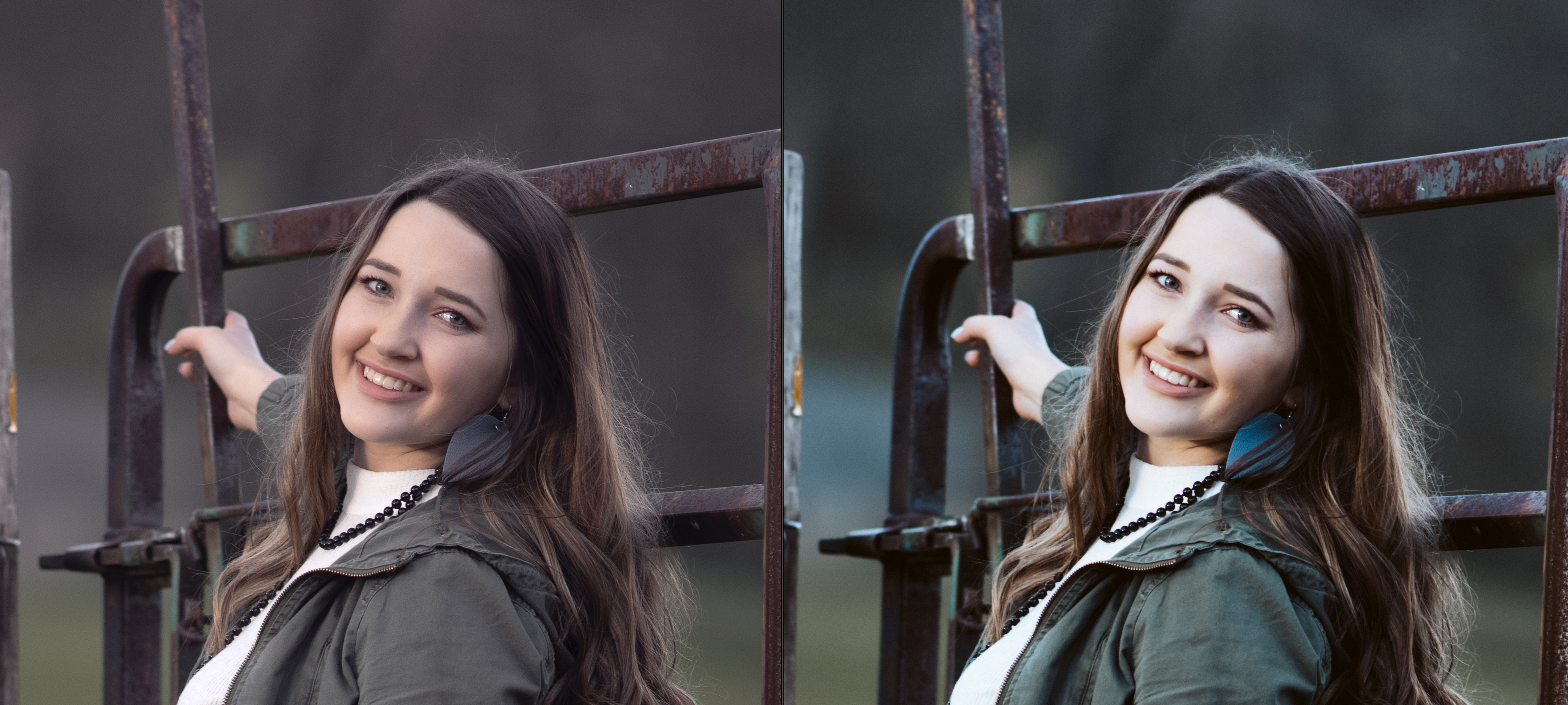
In this detail crop of the same image, you can really see the difference in the level of detail between the hand edit and the image with the preset applied. The preset made her white shirt look blue and her face look orange. Her hair is not flattered, and her eyes are darkened so much that the light in them is almost totally lost. The preset brought out unwanted detail in the background and flattened her face, making it appear more broad. The same broadening and flattening effect can be seen in the preset-applied image below right. The skin tone is unnatural, and popped details in the gate steal attention from her face.

Left: My hand edit; Right: another popular preset–her face is flattened and broadened by detail loss.

I love an artistic, stylized edit, but presets don’t give me that. For my workflow, they remove detail and rob the processing experience of its intention and artistry. There’s nothing a preset can do that I can’t create by hand, which gives me so much more freedom to create.

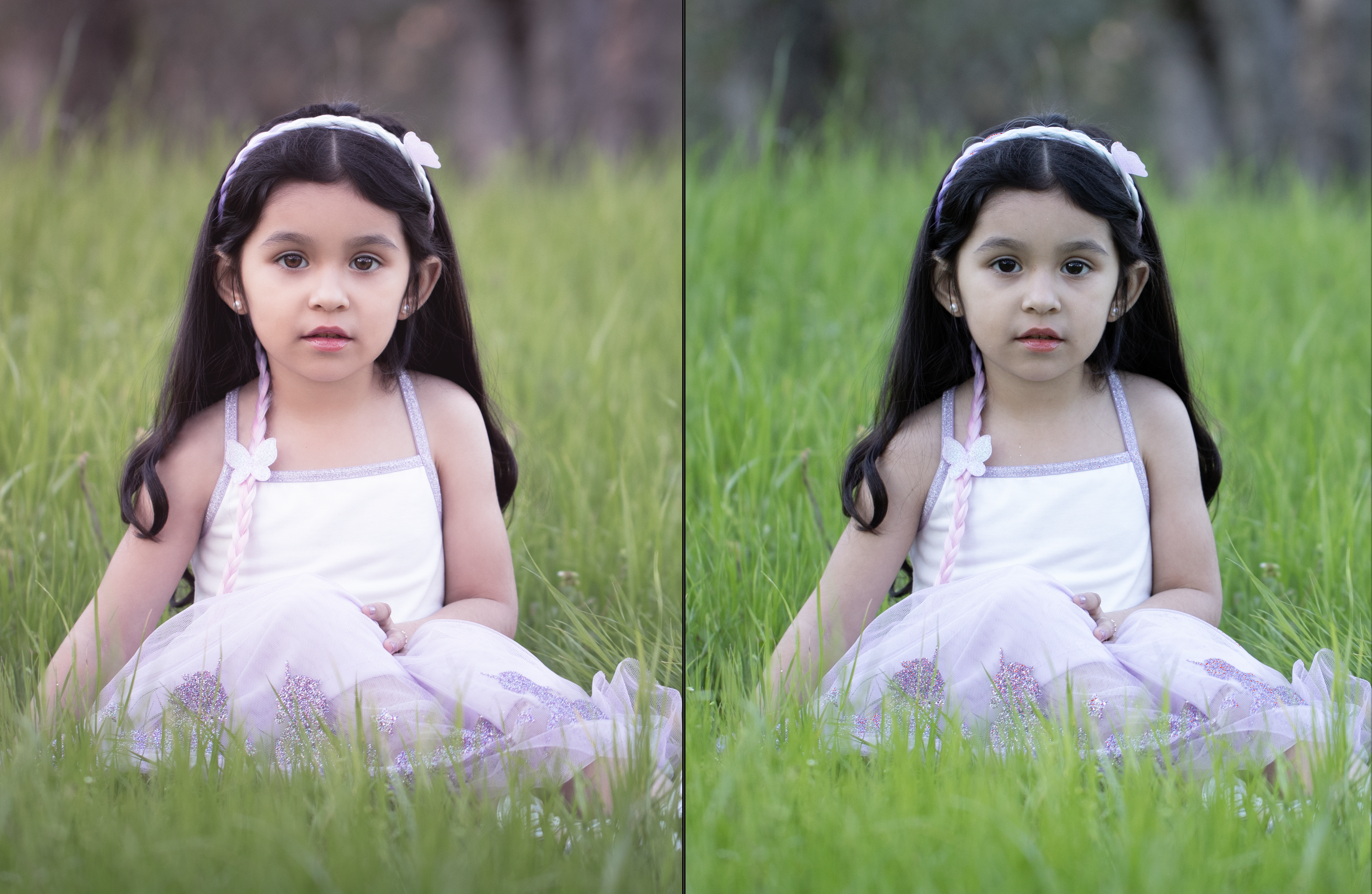
Left: My hand edit; Right: original image straight out of camera with no edits

Presets do serve as a great reflection of popular culture. In 10 years, we may look back on them with nostalgia the same way we look back now on Glamor Shots, In Living Color, and JNCO pants. SO cool at the time, right? So NOW. It’s not necessarily a bad thing, but the love may not last.

As much as I enjoy being gently swayed by the changing tides of style, it’s important to me that I stay rooted in classic beauty. I want to make sure the work I’m creating will still be relevant and just as enjoyable in 10, 20, or 50 years. And, above all else, I want my portraits to be about the person, not the processing.

Using Photography To Find Purpose and Say “Thank You”

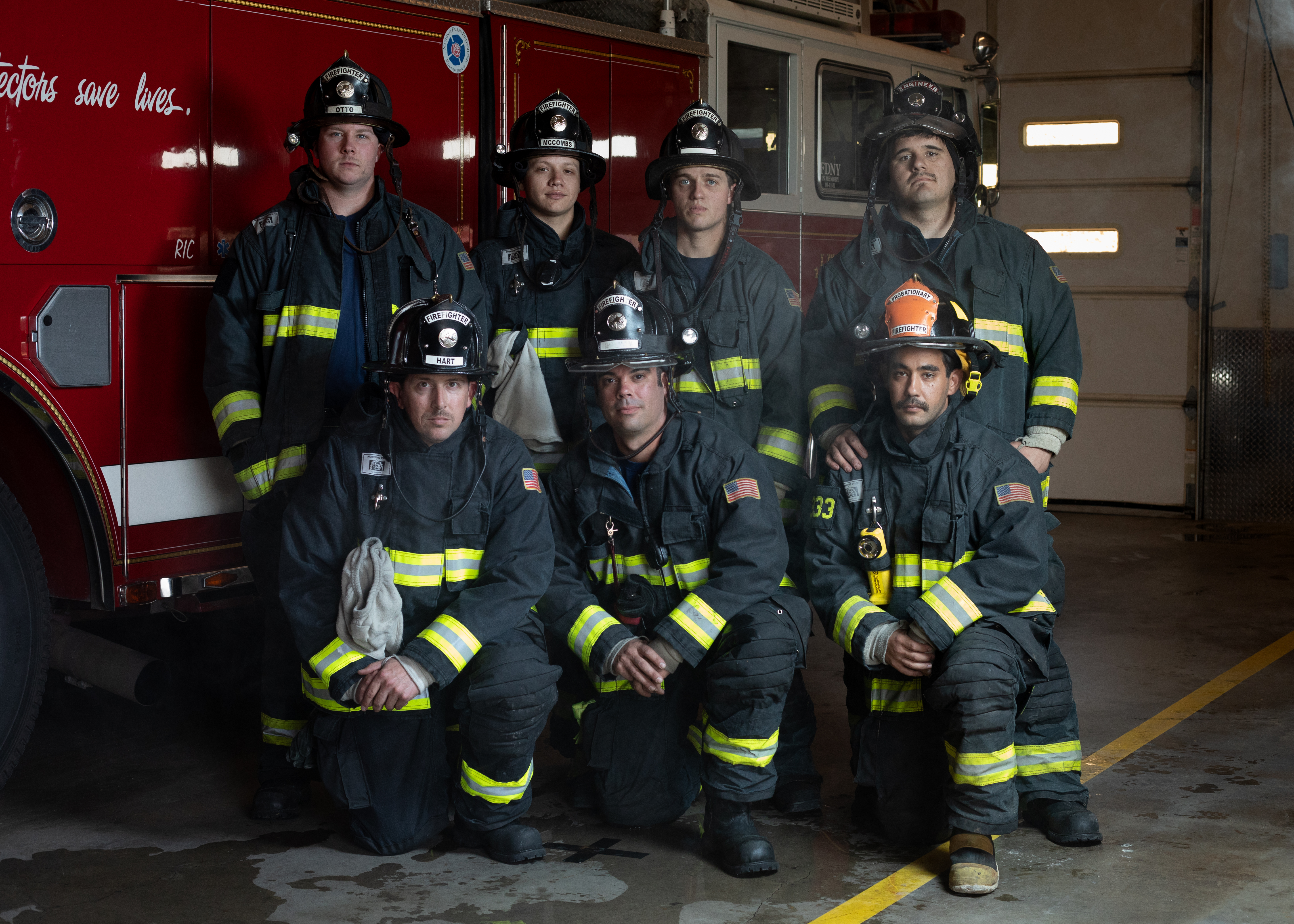
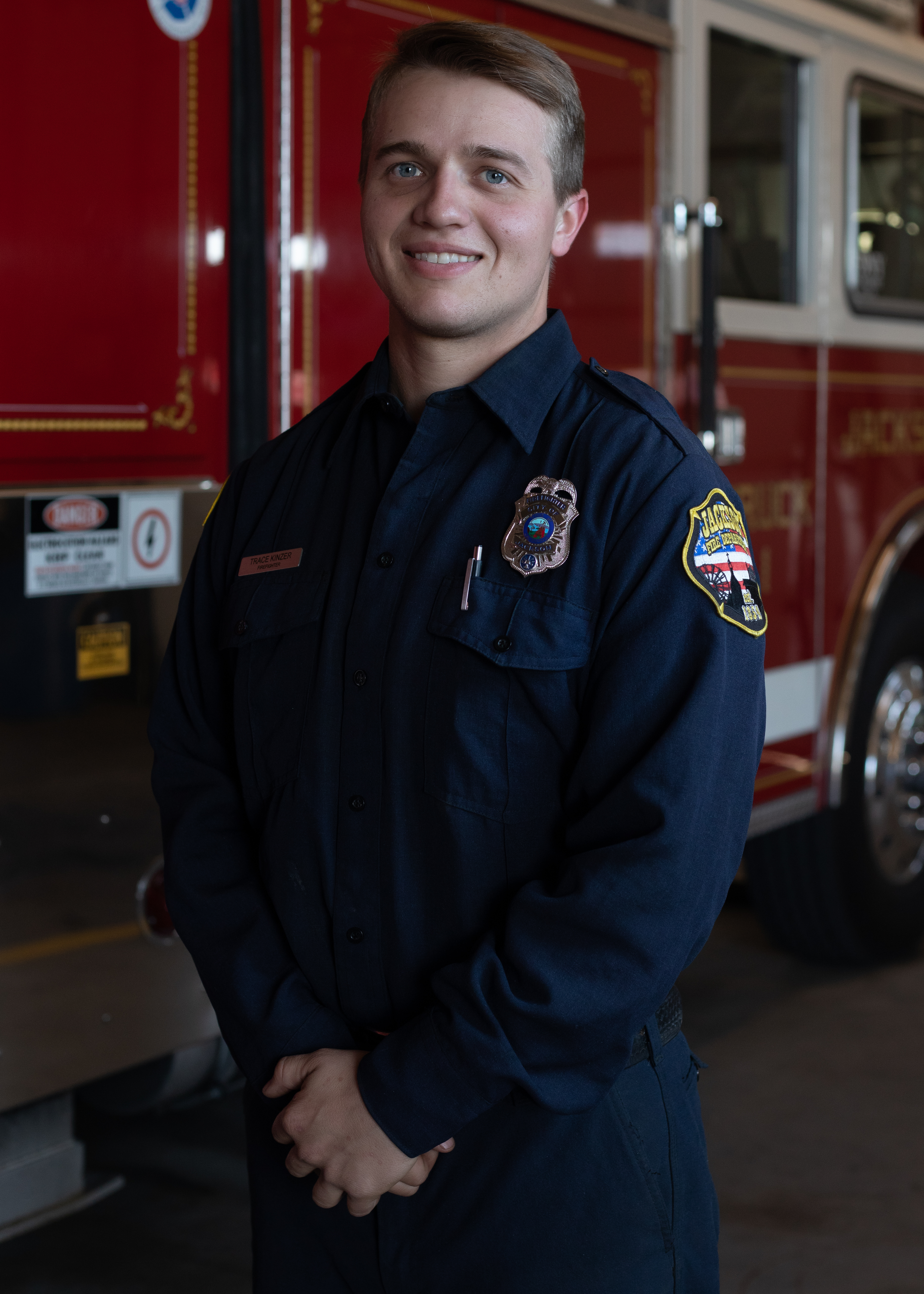
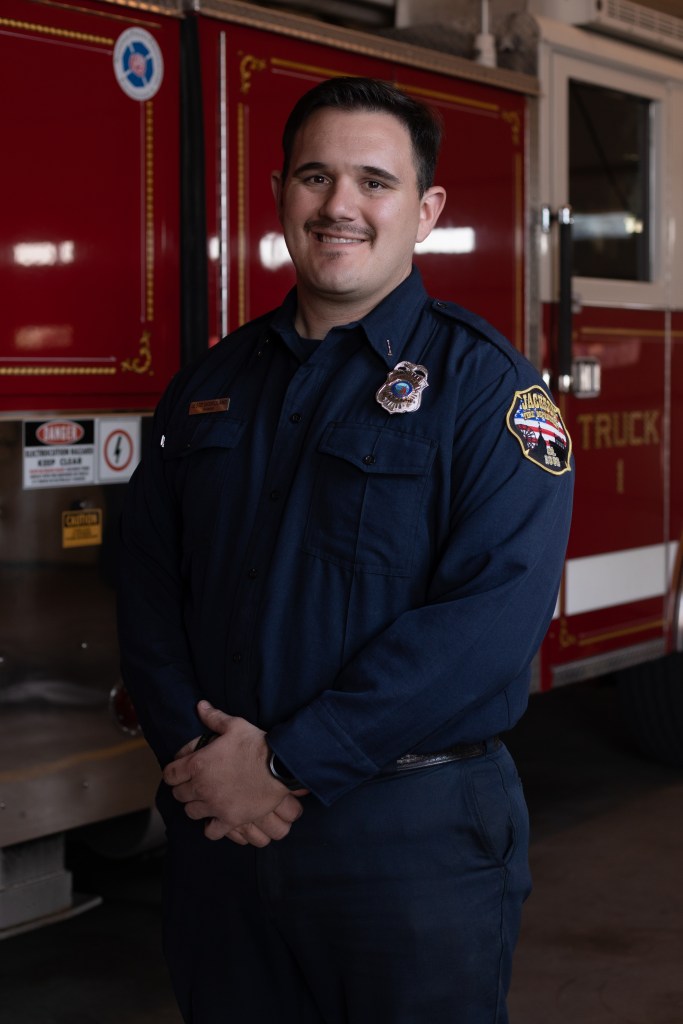
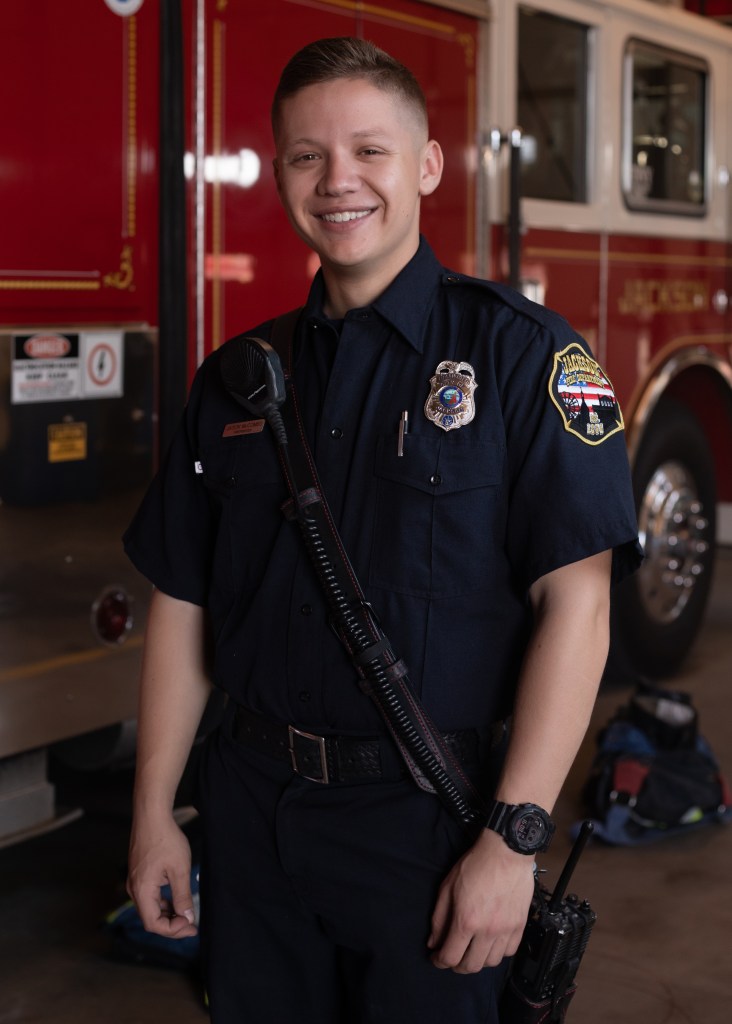
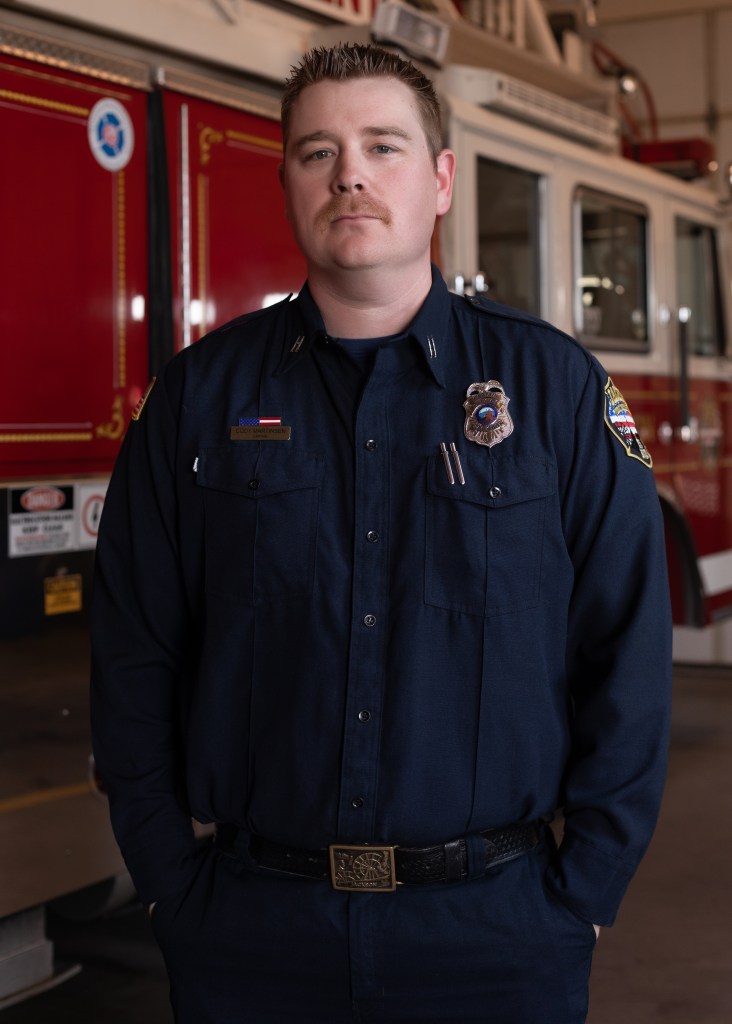
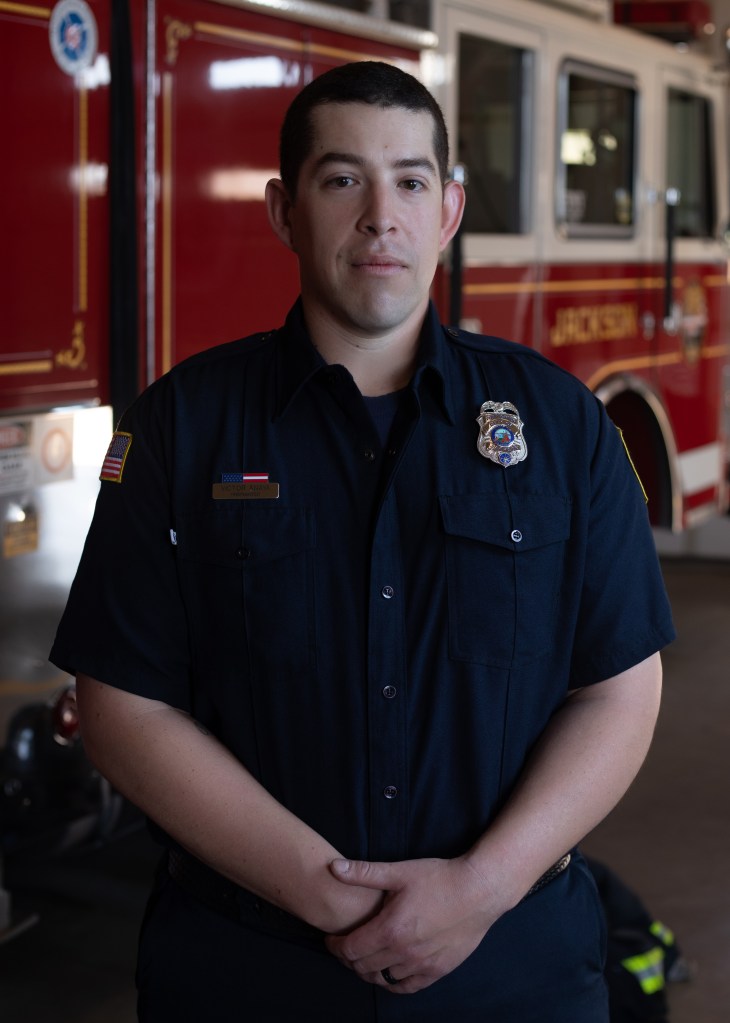
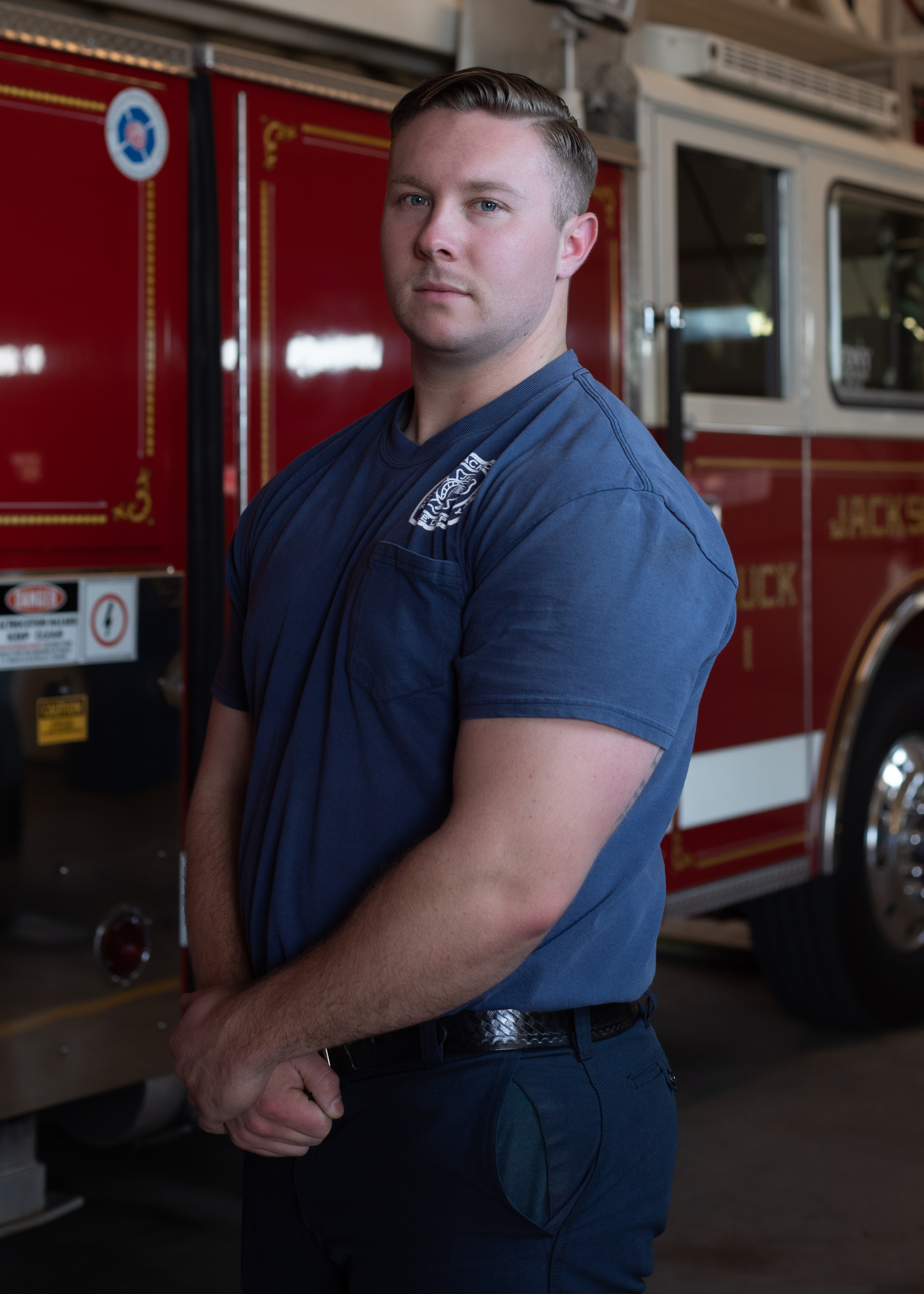
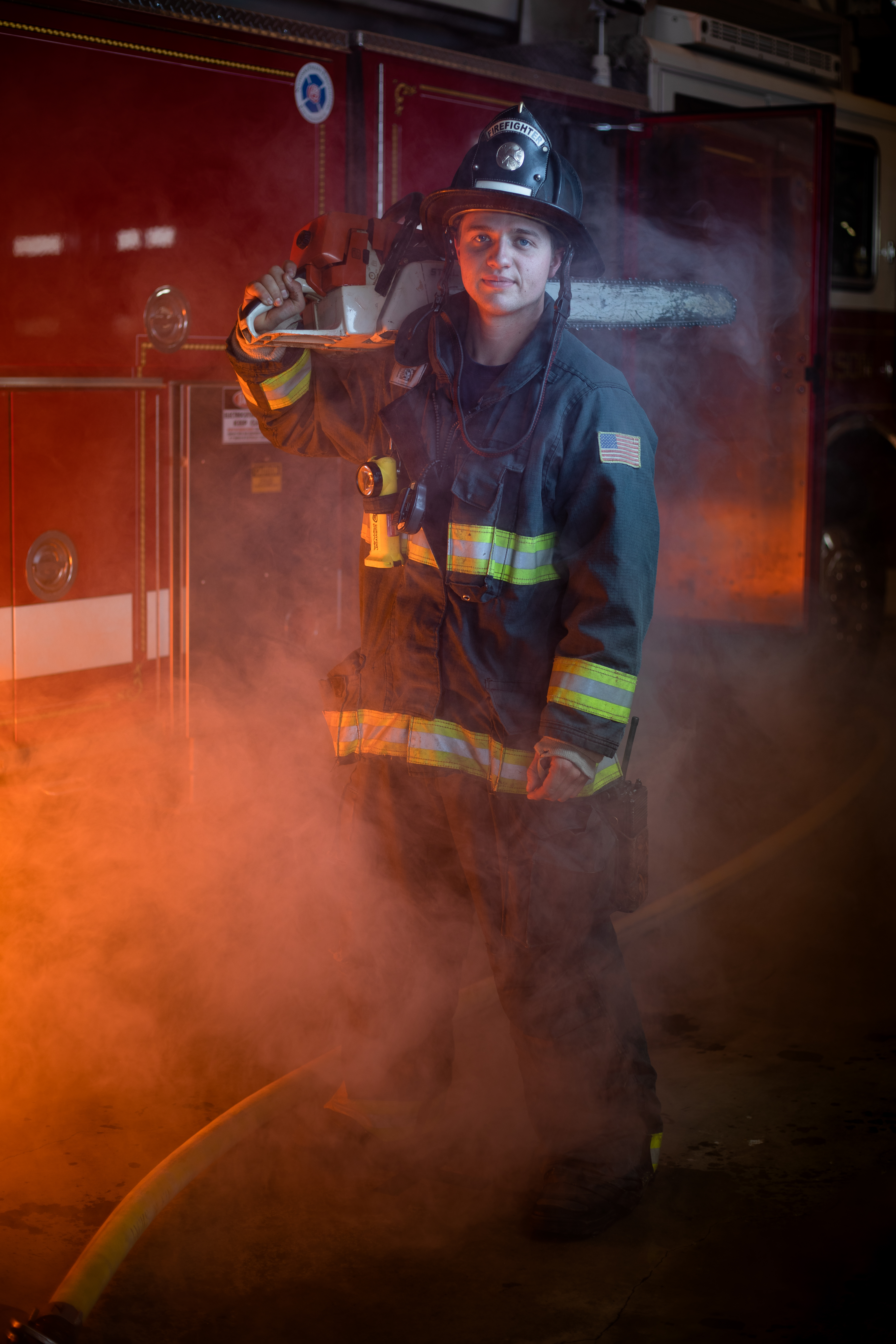
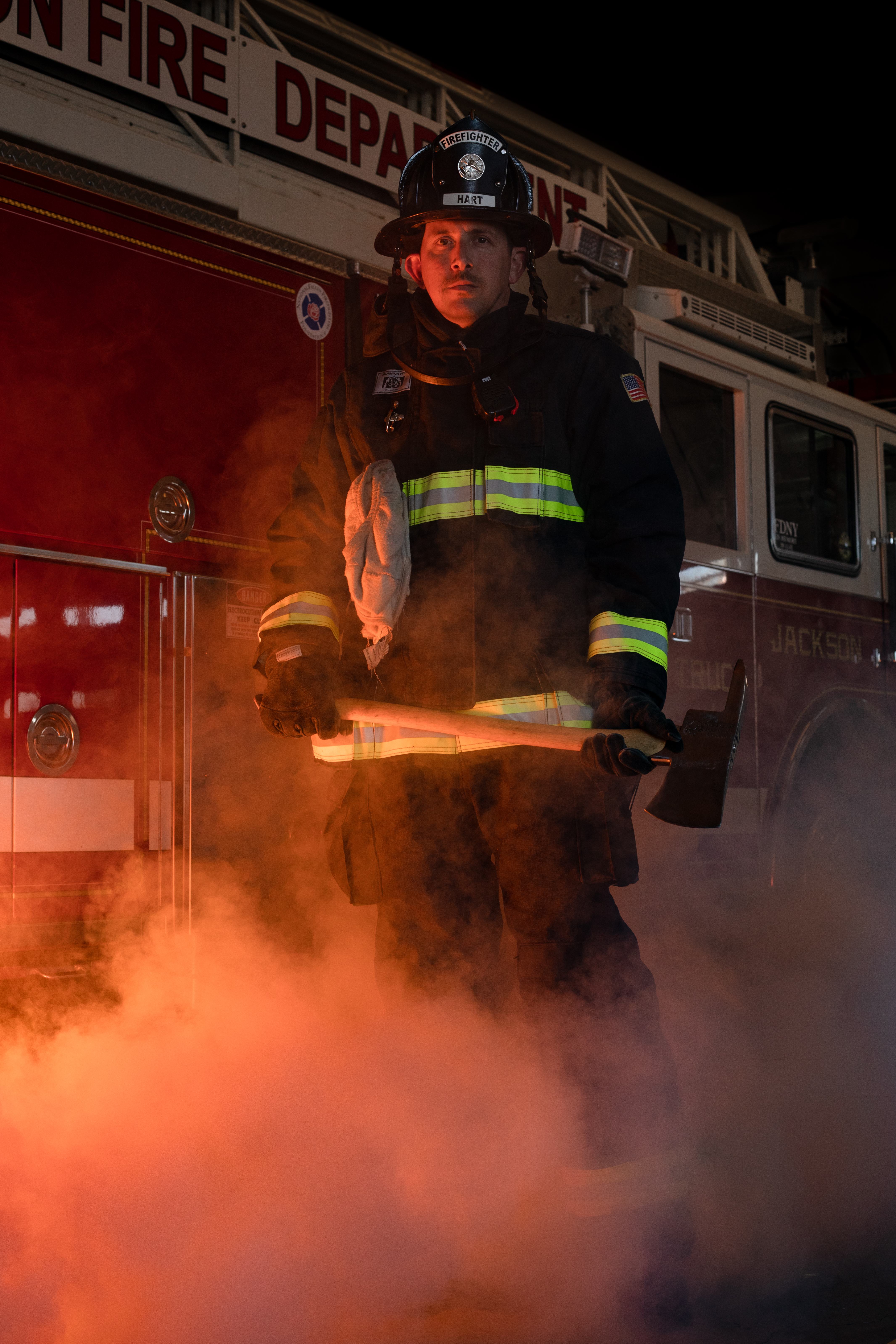
A group of Jackson firefighters after our first firehouse studio session

We all have something we can give to others in life. It’s easy to feel like what you have to give may not be as special or important as what others do. Maybe that feeling might keep us from giving sometimes. Isn’t that too bad?

It’s taken a while for me to find my niche in life. I’ve had so much rich life experience but it’s taken a lot of trials to find where I really belong. On the flip side of exploration and diverse experience has been a feeling of searching for that one right purpose that could give me a sense of meaning in what I do.

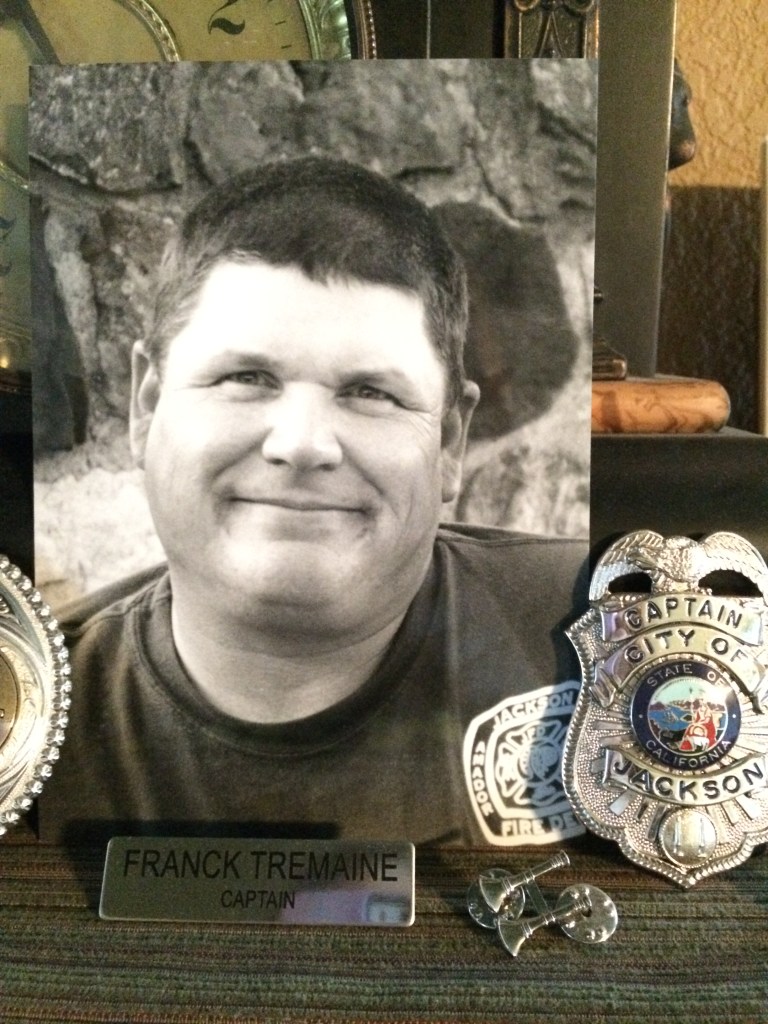
My dad, Captain Franck Tremaine, at mom’s house.

My dad was a firefighter for 40 years and was admired by many for his courage, candor, and commitment. With a role model who had made such a massive impact on life in my community, I put a heavy expectation on myself to do the same. I could enjoy my work or studies, but the question always remained, was I making a difference?

This week, I’m creating art to glorify, celebrate, and THANK the incredible men and women of the Jackson Fire Department. Their job is unbelievably taxing, and alienating in ways that most of us are fortunate not to understand. My hope is that I can use my particular set of abilities to give them something that will fill them with pride and confidence.

After a lot of searching and a lot of growing, I’ve come to realize that there are so many different facets to our lives, and they’re all important. The people on the front lines of life can’t do what they do without a really great support system behind them.

So here I am, finally accepting that I have the soul of an artist and the mind of an engineer, and not at all the body of a firefighter! And that’s ok. It’s better than ok. I can use what I can do to lift up other people who have different things to give than I do. We all do this for each other and it’s what makes life amazing.

If you’ve struggled with feeling like you don’t have much of value to give, take a second look at where your strengths lie. You have something in there that someone else really needs.