Amador County, California photographer Sarah Hart writes about photography, from demystifying technical concepts to communicating the human condition through art.
Image resolution, aspect ratio, and file size can be confusing. This guide will use examples to help you understand what it means when a digital image has a description like “4×6 resolution” or “full resolution.” I’ll also explain how print sizes differ, and how different aspect ratios can change the look of an image.
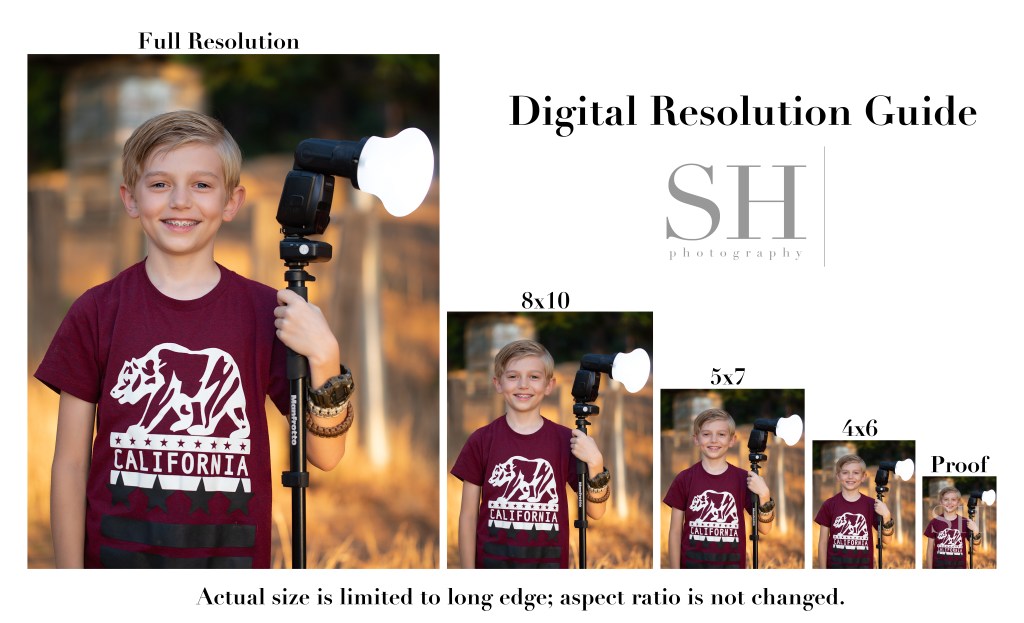
This Digital Resolution Guide shows each of the digital resolutions I offer my clients. Note that for digital files, I don’t change the shape of the image to match the exact proportions of the standard print size; I simply resize the image based on the long edge and leave the original aspect ratio (shape) intact.
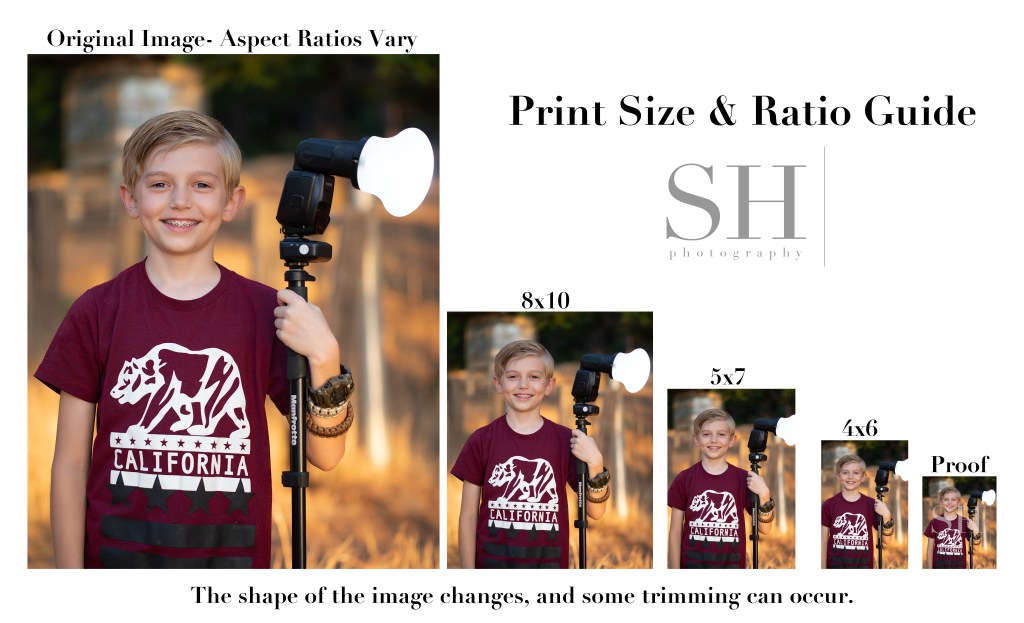
Compare this to the Print Size & Ratio guide. You’ll notice that with prints, it’s not only the size, but also the shape, or aspect ratio, of the image that changes. An 8×10 print is more short and stout in shape than a 5×7, and a 4×6 is the most tall and skinny of all.
Although my camera natively shoots in a 4×6 (2×3) ratio, the actual aspect ratio of the images will vary based on how they’re finished. When printing, always check the crop of your images to make sure the necessary trimming looks ok. You might need to choose a different size print to get the best look from your image.
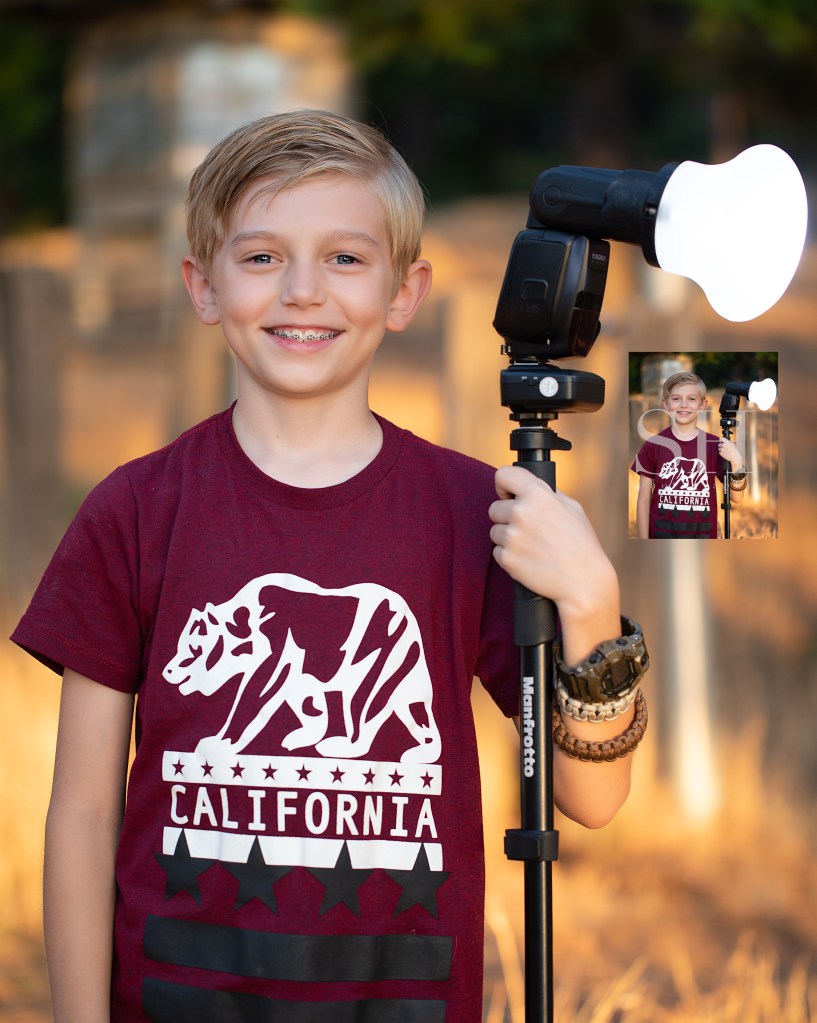
The proofs you see in my proofing galleries are the smallest versions of all–just about 18% of the original file size. Low-resolution proofs allow clients to preview their images before purchase while protecting my investment in my work. Here’s a direct comparison of a proof and a full-resolution image.
Can you even find that tiny proof in there?! It’s right below the flash on the right.
This really shows the staggering difference in quality between the different image resolutions. 4×6 digitals are about 25% original size; 5×7 are about 35%; and 8×10 are about 50%. Full resolution images print beautifully at any size, and still look impeccable at 100% zoom. They preserve every detail exactly the way it was finished in my studio.
What is the recipe for great image quality? How do you know it when you see it? I’ll be writing a series of posts over time to delve into this in a way anyone can understand. The short answer? Great images are made by leveraging adept knowledge on powerful equipment to uplift free-spirited creativity.
I want to take a little time to explain some different aspects of image quality in a way that’s not too technical for non-photographers to follow.
The low-quality samples in my proofing don’t show the depth of detail in the final images. That’s part of the reason I’m writing this post! The image quality I explain here is the image quality you can expect from every one of my galleries. I work in accordance with the standards established for commercial photography by Adobe Stock and Getty Images, and branch out artistically from that starting point. If for some reason I ever couldn’t deliver that on a session, I would offer a complimentary reshoot rather than deliver those images.
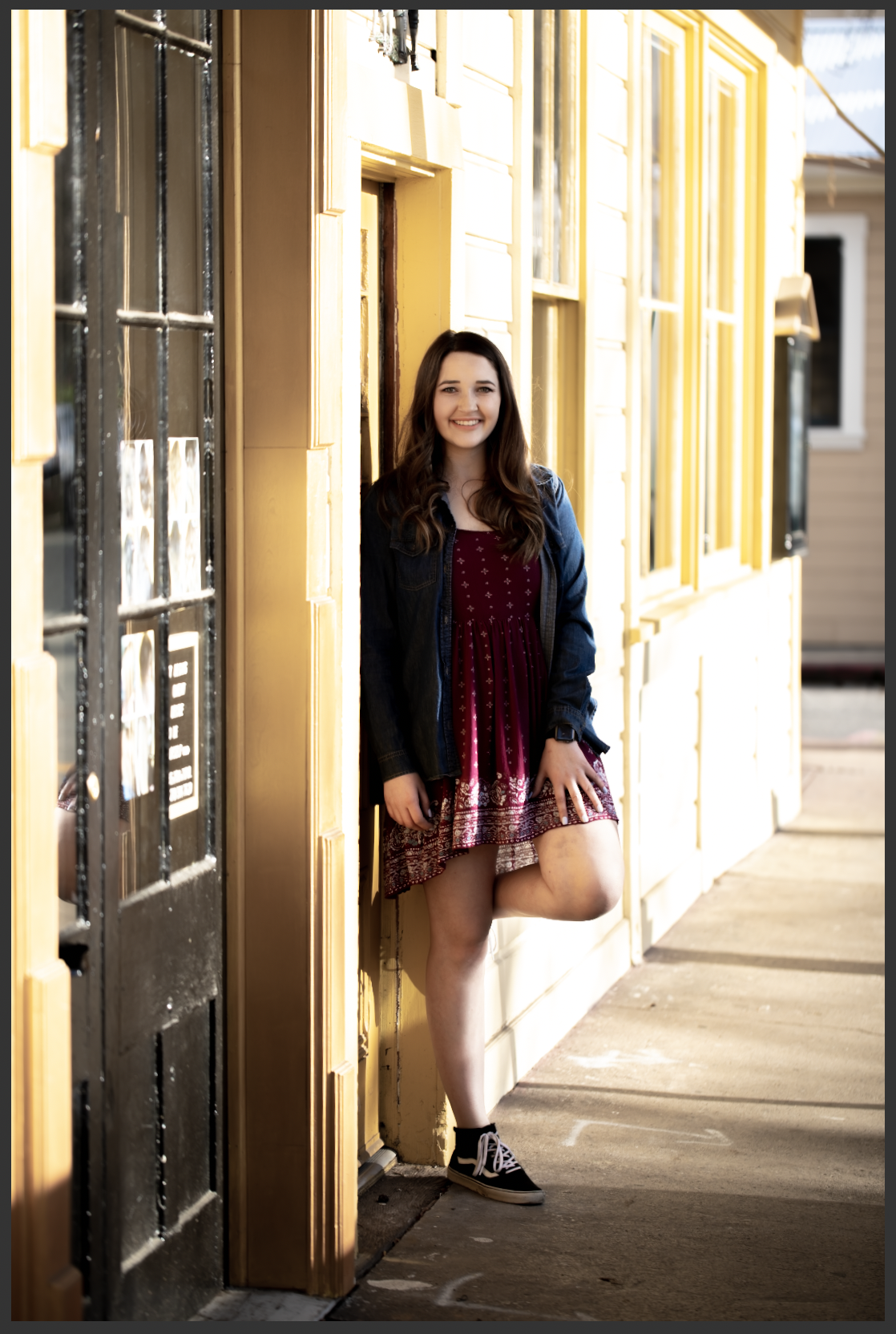
Poor Quality: Background Exposure Issues
There are many factors that make up the prevailing assessment of image quality. In portraits, focus should be sharp on both eyes. Exposure should be correct. The image should be free of excessive artifacts like noise, dust, chromatic aberrations, and color separation. There are times to break the rules, and I’m happy to do it for good reason. But quality standards exist to help us create the most rich, real, and beautiful images the state of our art will allow.
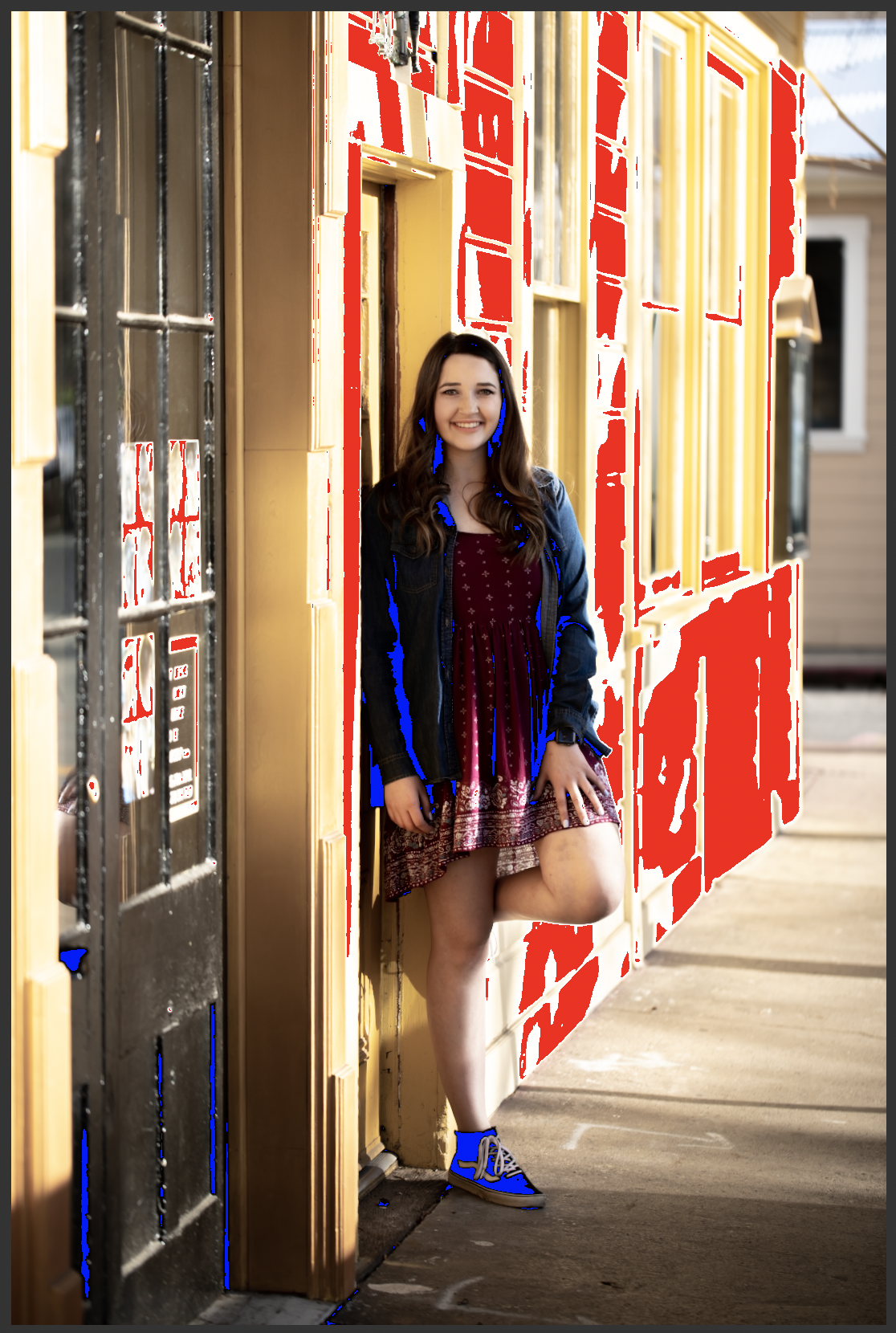
To put it more plainly, here’s a poor quality image. The highlights are clipped–see how the side of the building is white where it seems like it should probably be yellow? Those parts of the image are so overexposed that the camera’s sensor recorded no detailed data. The same thing happened in the shadows here. There are no details in the blacks.
Highlight Clipping: BIG RED NO!
It’s kind of like when you walk into the sun from a dark room and you can’t see anything until your eyes adjust. You’re not capable of seeing both the extreme dark and the extreme light at the same time–you have to adjust for one or the other. In the same way, this scene went outside the range of what my camera could capture.
The next image shows what the same shot looks like to me when I’m processing. The red is Lightroom’s highlight clipping indicator, and the blue is the shadow clipping indicator. I don’t turn these indicators off when I’m working. A quality image should look identical whether they are on or off.
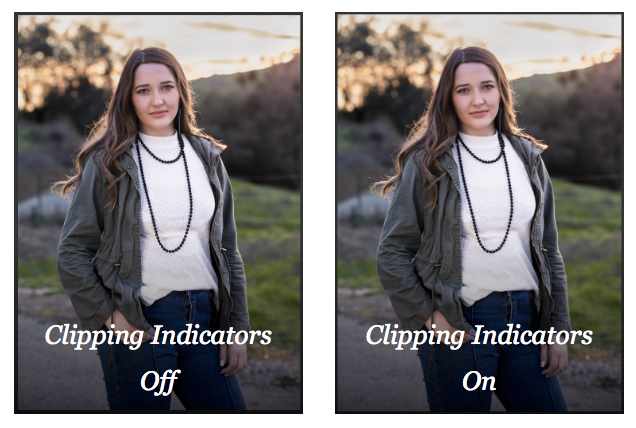
I’ve also shared an example of a successful image side by side with the clipping indicators on and off. There’s no difference between the with and without indicator images. Even though this image was also shot in dramatic light, there is no clipping anywhere–detail was captured throughout the entire frame.
The takeaway is that protecting the quality of the entire frame is essential to making the most beautiful image possible.
Professional photographers not only recognize image quality issues, but they also have in-depth technical knowledge of the equipment they use, and are able to push its capabilities to the limits–or even beyond, with a measure of ingenuity and strong post-processing skills.
One of my images with a popular preset applied. The white patch on the right is burning my eyes! that highlight was not blown out in the original image.
My feed’s always flooded with ads for photography presets, also known in the social media world as filters. These pre-made sets of editing actions can be mass-applied to a whole photoshoot at once. Some photographers use presets as a tool to save time and give all their work a consistent look.
When a stylized preset is applied, the image can become more about the preset than the actual image itself. For this reason, presets can help increase the impact of images that are lacking in interest or quality. But they fall far short of hand editing when they meet with great image quality and attention to detail.
Clients and colleagues have complimented my processing and asked if presets are a part of my workflow. So, I wanted to take a few minutes to write about my approach to processing, and explain why I don’t use presets.
If you’ve ever followed a photography feed or even talked about photography near your phone, you’ve probably seen preset ads. Brixton film, Jake Olson, who else sells presets? There are so many out there. The example photos look dreamy–bright, rich, deep and intense, or soft, muted, and tranquil. Surreal in a really good way. It’s easy to think that mood was created by the preset alone.
But, no. A professional photographer shot those images, and although the preset was applied, many other actions were also taken to create that final product. When presets are simply applied wholesale, one-and-done style, the effect is not always so dreamy.
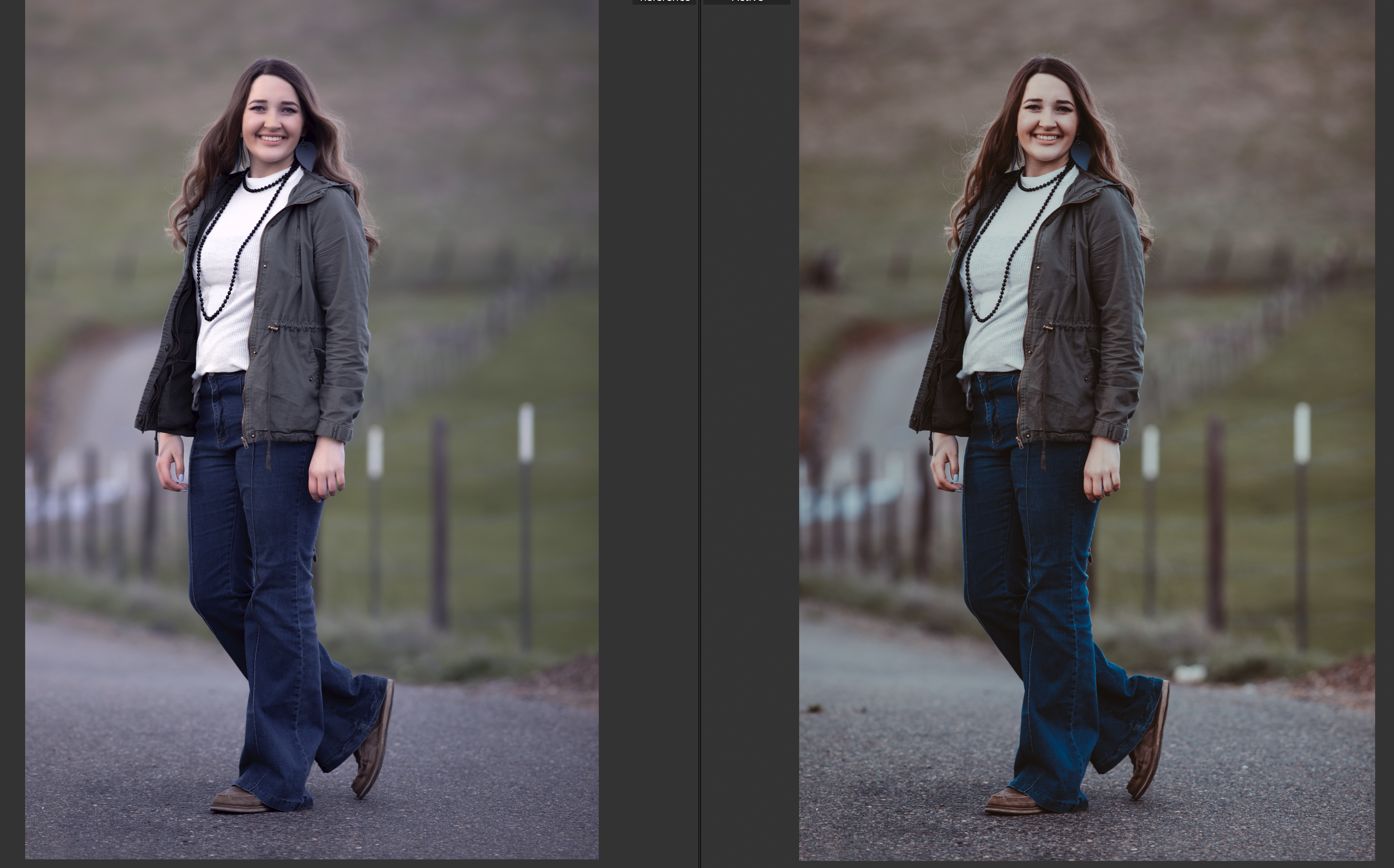
Left: My hand edit; Right: a popular preset with no other edits
When I began studying as a photographer, I was incredibly fortunate to have a very patient and technically-minded mentor who taught me in depth how to shoot and edit for the best possible image quality. It was a major milestone for me in my path to begin shooting professionally when I was accepted as a contributor for Adobe Stock and Getty Images–two separate commercial image sources, each with a strict insistence on impeccable image quality. My artistic editing springs from that foundation of technical excellence. I start with a clean image, and branch out to create a little fantasy in my editing without losing that integrity.
Consider the images above. On the left, in my hand edit, I kept the blacks dark and the whites bright, making space for the midtones. I clipped the blacks gently to give a soft matte look. I softened the green but left it a natural hue. I augmented the direction of the light. I removed some distractions from the background and minimized the prominence of the textures in the road and grass. I pumped up her hair and subtly straightened her posture, and I processed her skin first by hand and then by applying my custom look with a sophisticated skin texture algorithm.
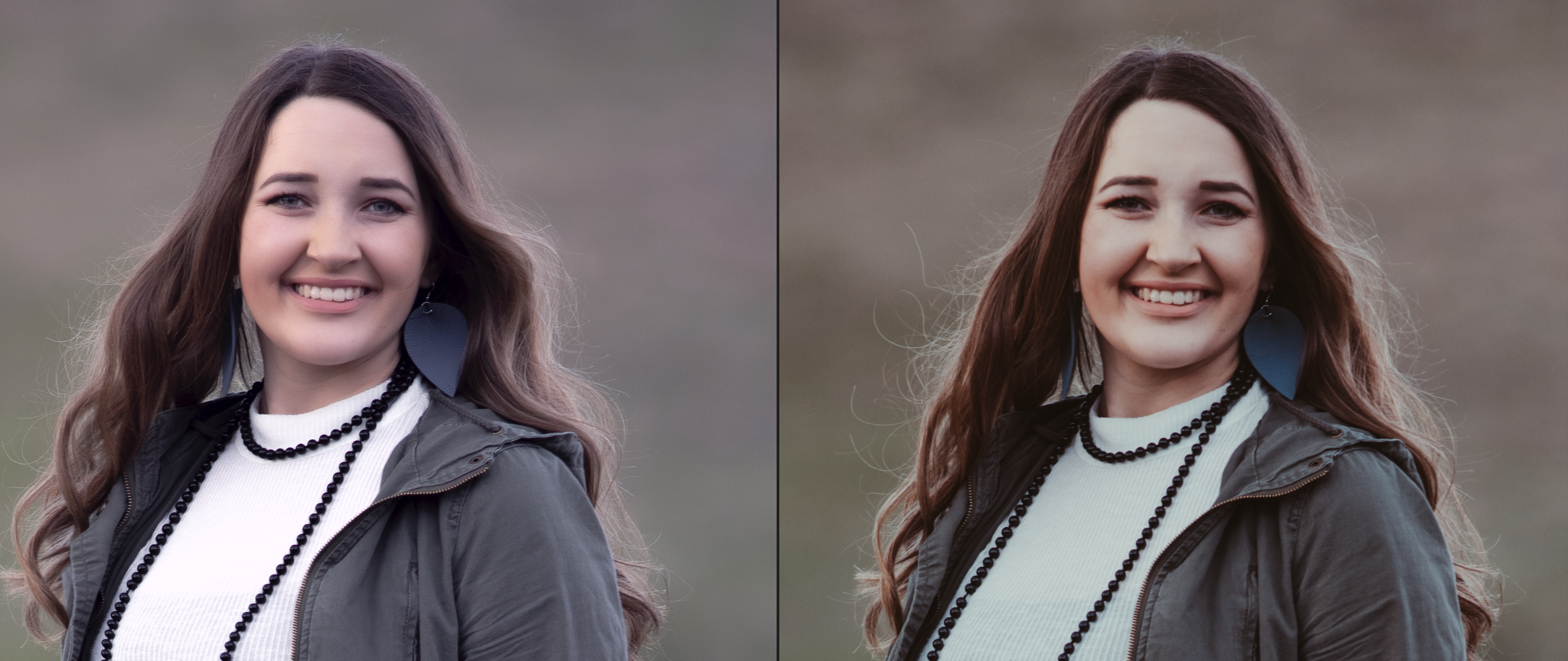
Left: My hand edit; Right: the same popular preset as above.
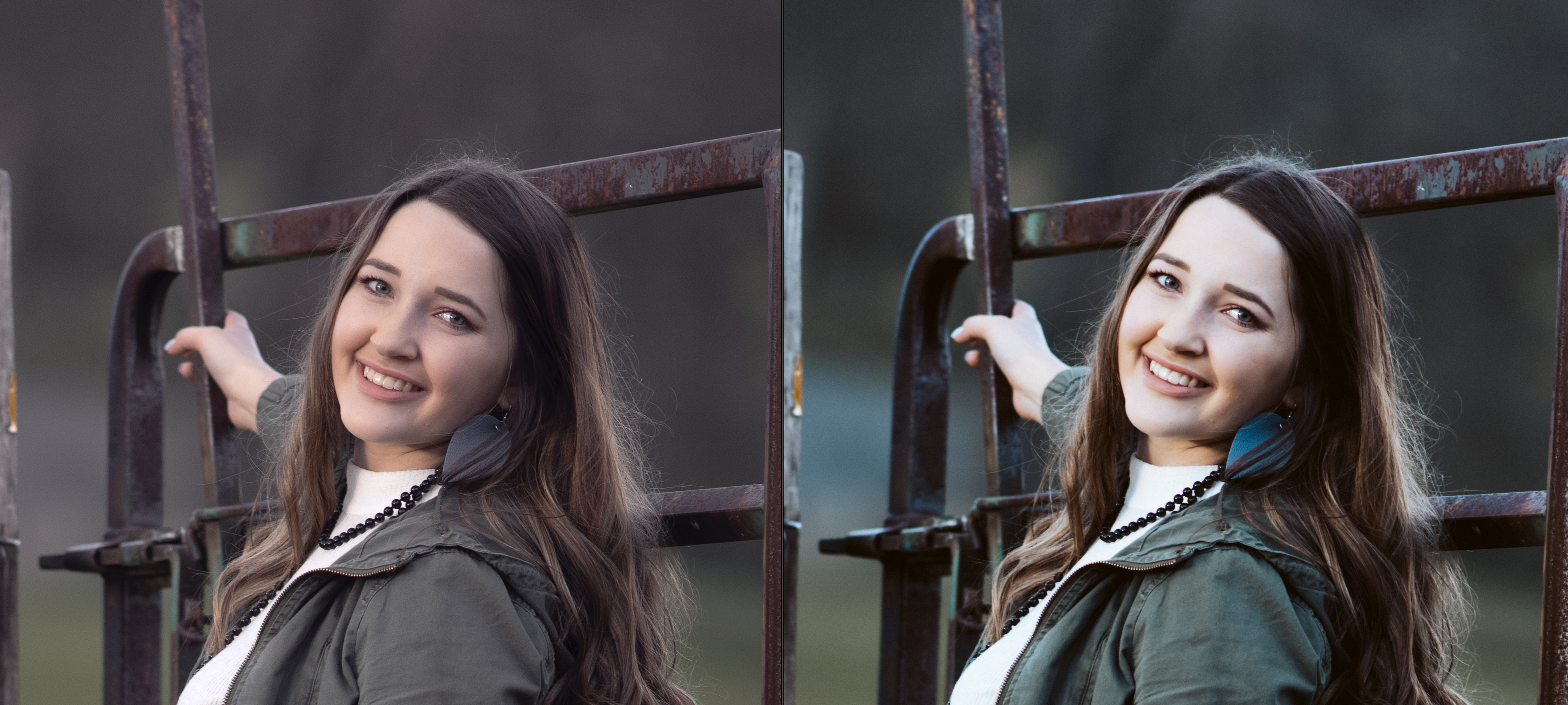
In this detail crop of the same image, you can really see the difference in the level of detail between the hand edit and the image with the preset applied. The preset made her white shirt look blue and her face look orange. Her hair is not flattered, and her eyes are darkened so much that the light in them is almost totally lost. The preset brought out unwanted detail in the background and flattened her face, making it appear more broad. The same broadening and flattening effect can be seen in the preset-applied image below right. The skin tone is unnatural, and popped details in the gate steal attention from her face.
Left: My hand edit; Right: another popular preset–her face is flattened and broadened by detail loss.
I love an artistic, stylized edit, but presets don’t give me that. For my workflow, they remove detail and rob the processing experience of its intention and artistry. There’s nothing a preset can do that I can’t create by hand, which gives me so much more freedom to create.
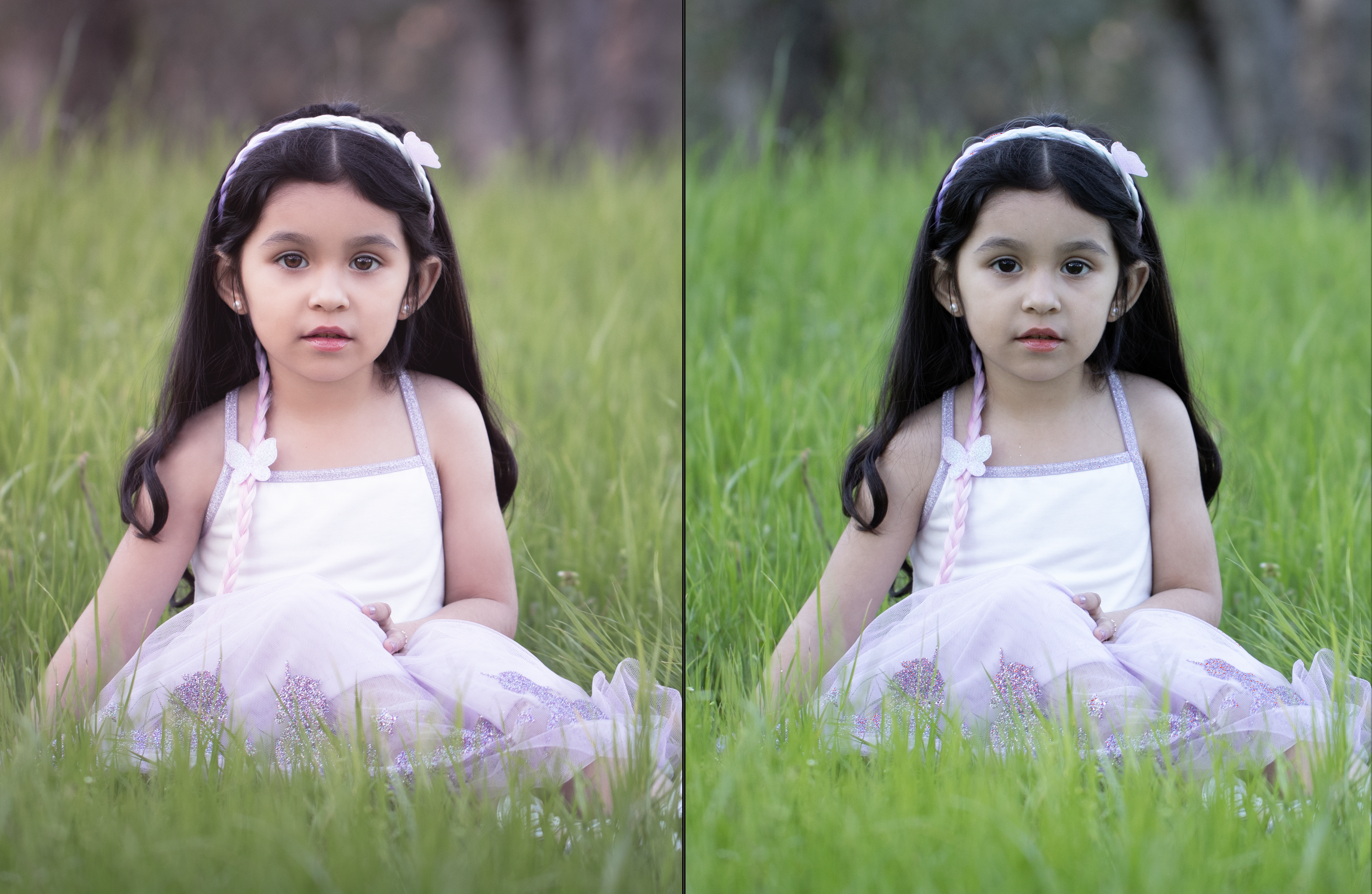
Left: My hand edit; Right: original image straight out of camera with no edits
Presets do serve as a great reflection of popular culture. In 10 years, we may look back on them with nostalgia the same way we look back now on Glamor Shots, In Living Color, and JNCO pants. SO cool at the time, right? So NOW. It’s not necessarily a bad thing, but the love may not last.
As much as I enjoy being gently swayed by the changing tides of style, it’s important to me that I stay rooted in classic beauty. I want to make sure the work I’m creating will still be relevant and just as enjoyable in 10, 20, or 50 years. And, above all else, I want my portraits to be about the person, not the processing.
 Reflecting On Light